Disability Services
Restoring Independence. Expanding Possibility.
For people living with disabilities in Honduras, the greatest challenge is often not the disability itself, but limited access to specialized care, appropriate equipment, education, and opportunities for inclusion. Children with disabilities remain especially vulnerable to barriers that can keep them from attending school, developing skills, and participating fully in their communities.
CAMO works to remove some of those barriers through audiology, prosthetic and orthotic care, and wheelchair and mobility services. Each program combines evaluation, properly fitted equipment, trained Honduran professionals, education, repairs, and long-term follow-up.
A hearing aid can reconnect a child to the classroom. A prosthetic leg can help someone return to school or work. A properly fitted wheelchair can open the door to mobility and independence.
In 2024–25 alone, CAMO provided 5,876 audiology services, 785 prosthetic and orthotic services, and 274 wheelchair services, demonstrating both the continuing need and the reach of these programs.
Audiometry Lab
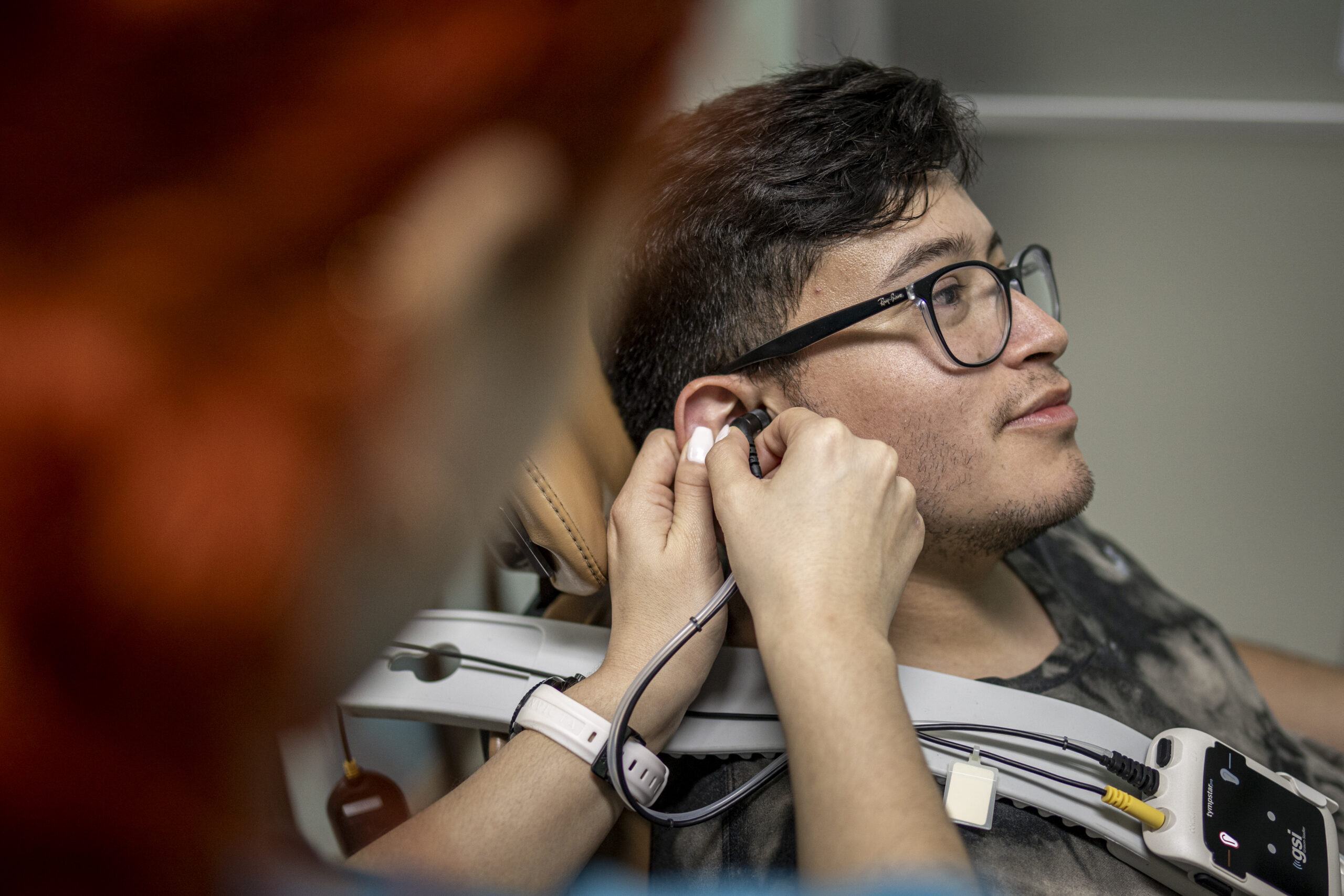
Hearing loss can isolate a child in the classroom, an adult in the workplace, or an older person from family and community. CAMO provides hearing evaluations, hearing-aid fitting and repair, follow-up care, and speech-related services while strengthening local professional expertise. The program also helps families and communities better understand hearing impairment and inclusion. In 2024–25, CAMO provided 5,876 audiology services.
IMPACT
Restoring hearing opens the door to communication, education, employment, relationships, and greater independence.
Orthotic/Prosthetic Lab
CAMO’s Orthotic & Prosthetic Program grew from a request by Honduras’ First Lady, Mary Flores, in 1998 to assist 21 farmers and other individuals who had lost their legs to landmines in southern Honduras. Working with prosthetist Mark Gorman of West Virginia, whose relationship with CAMO began in 1997, CAMO helped provide these patients with prosthetic care and began building a long-term program.
Since then, CAMO has continued serving patients every year through prosthetics, orthotics, individualized fitting, repairs, follow-up care, and ongoing professional training for Honduran technicians.
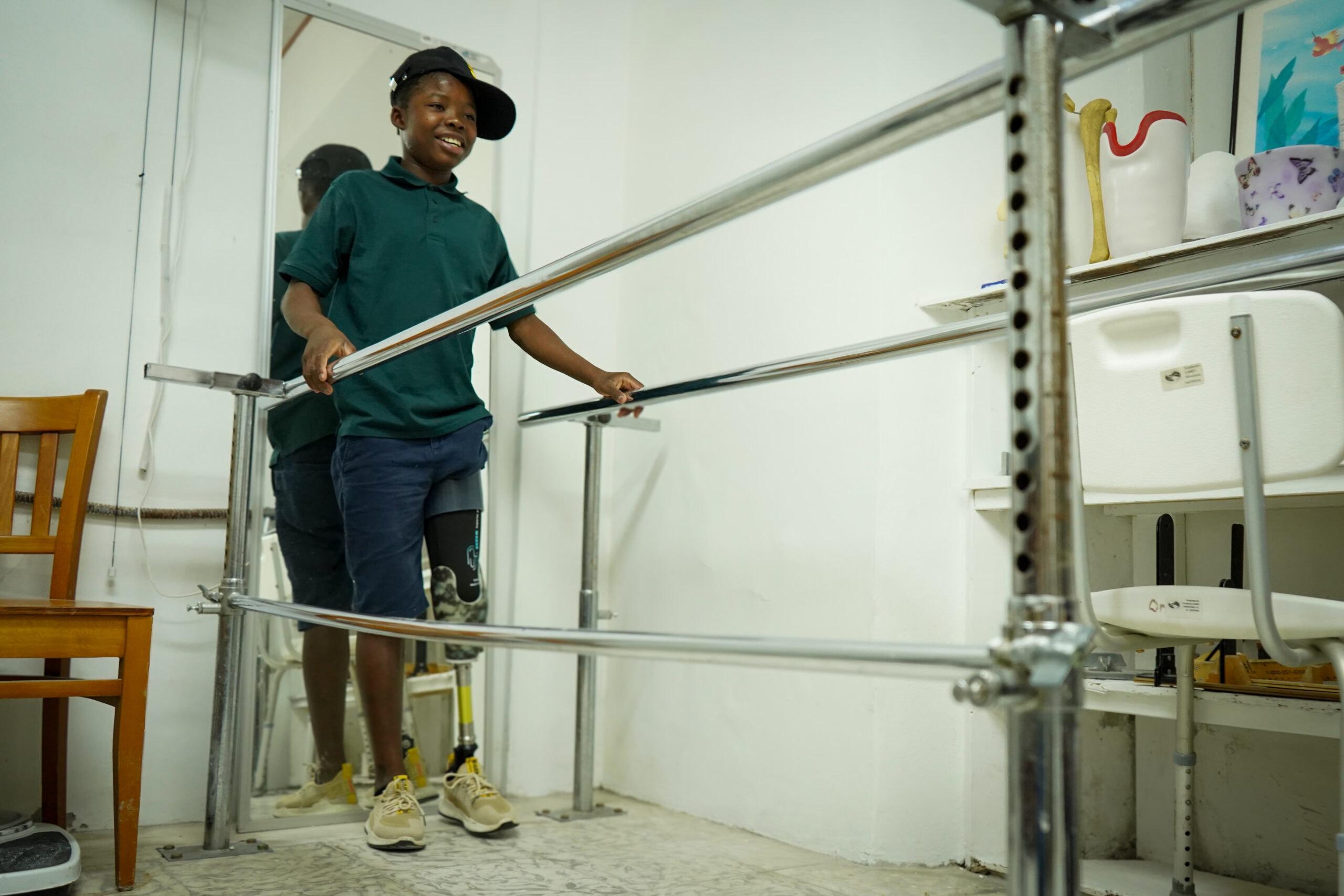
Today, the program serves both children and adults who have lost limbs or were born with physical differences. In 2024–25, CAMO provided 785 prosthetic and orthotic services, including customized devices for 21 children.
IMPACT
Wheelchair Lab
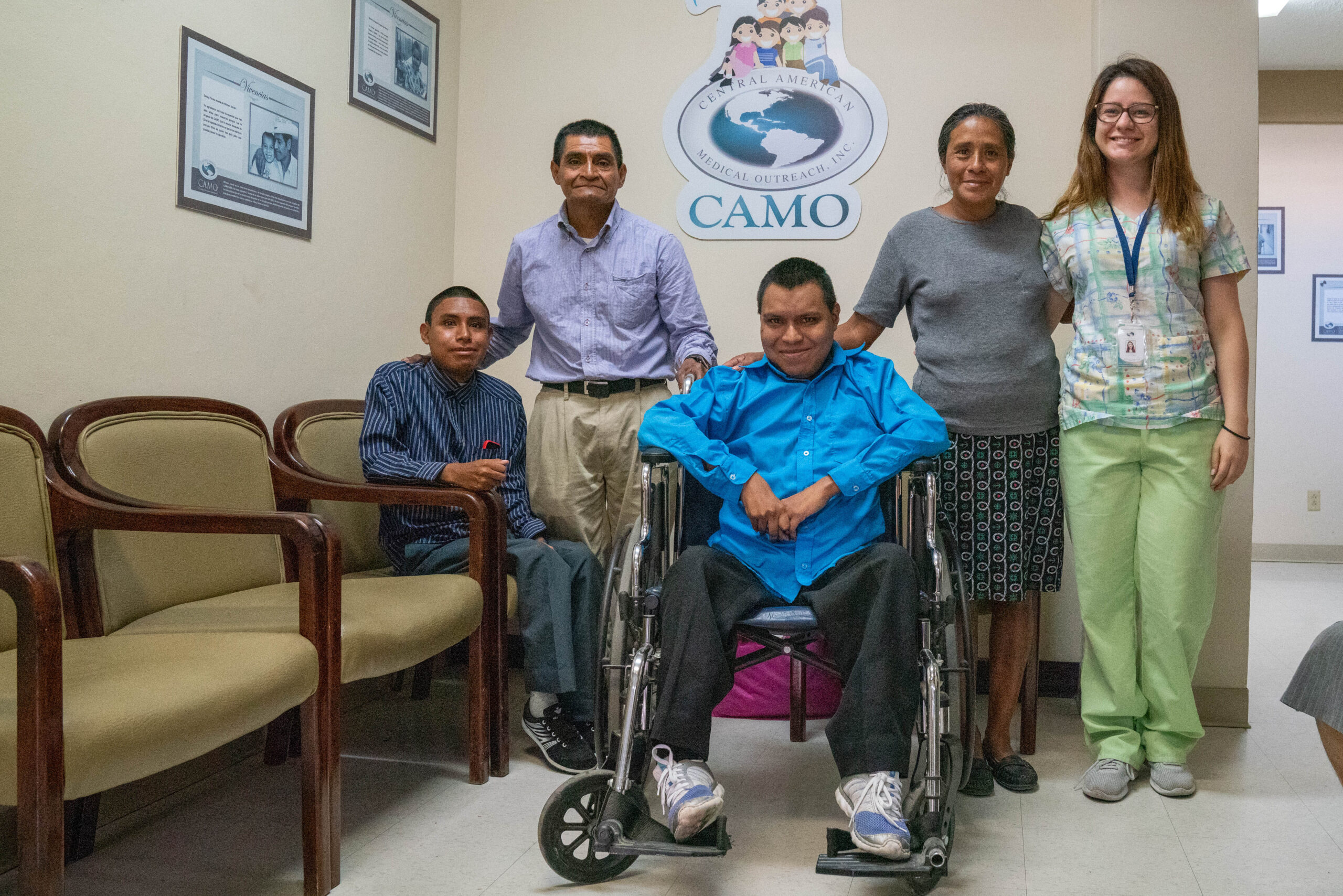
For a child with limited mobility, the right wheelchair can mean the difference between staying home and going to school. CAMO’s Wheelchair Lab evaluates each individual, properly fits wheelchairs and other mobility devices, and provides ongoing adjustments and support as needs change. The program also provides walkers, crutches, and canes, while donated equipment is carefully prepared and matched to the person who needs it.
Nine-year-old Milagro had received CAMO care since birth and needed a wheelchair so she could attend school safely. When a donated chair arrived in Honduras, CAMO was able to fit it to her needs and help give her greater access to school and daily life.
IMPACT
A wheelchair is not simply a piece of equipment. For a child, it can be the way to school; for an adult, a path to greater independence; and for a family, new possibilities for participation in everyday life.
More Stories
CAMO helps with emergency services training in Honduras
Special to The Daily Record SANTA ROSA de COPAN, Honduras – The damaged vehicle lays on its side, its victim trapped inside.…
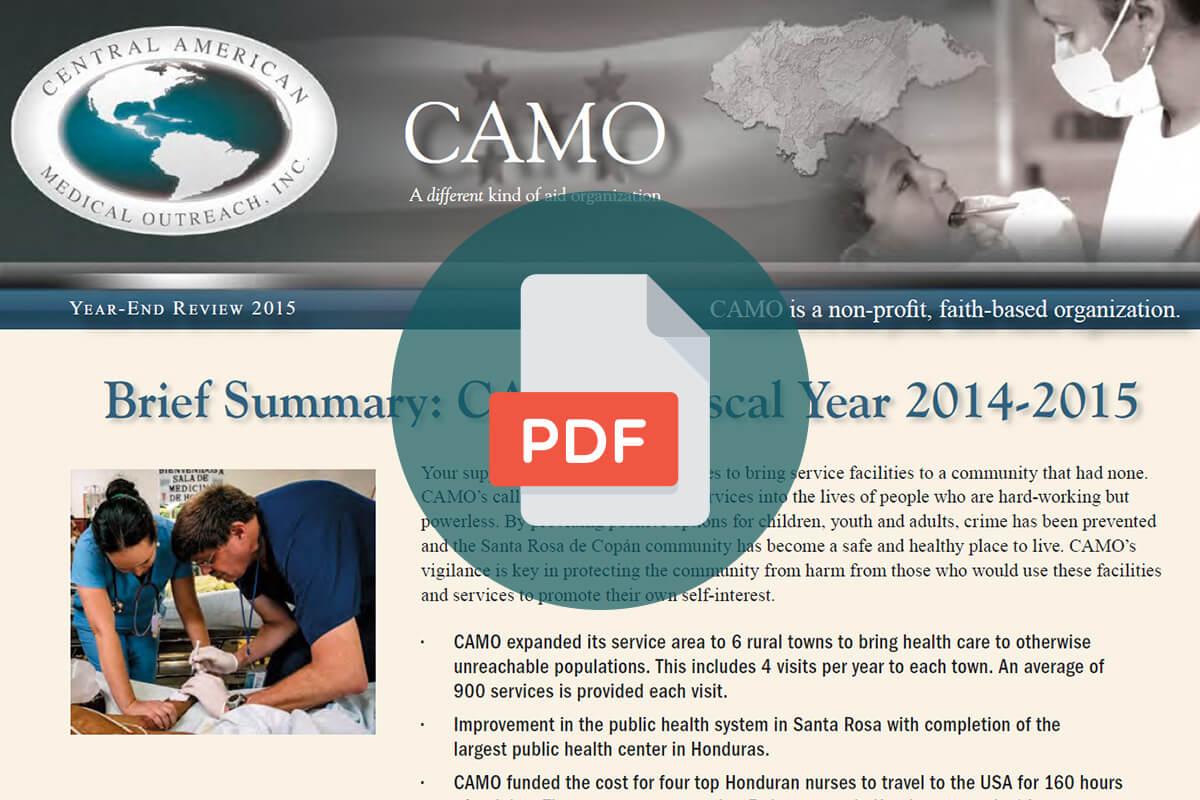
Fin de año 2014-2015
Su apoyo nos ha dado los recursos para llevar instalaciones de servicio a una comunidad que no tenía ninguna. El…
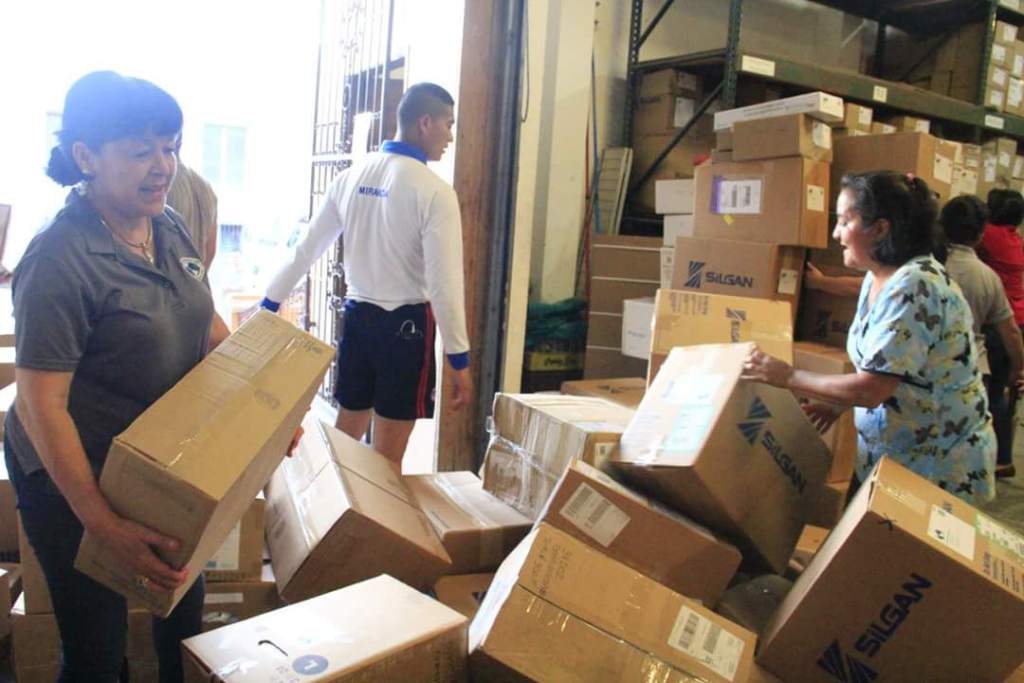
L6.7 millones en equipos donará Camo a hospitales
Tegucigalpa, Honduras Equipos y suministros médicos entregará la Fundación Camo a hospitales y centros de salud en el país para…
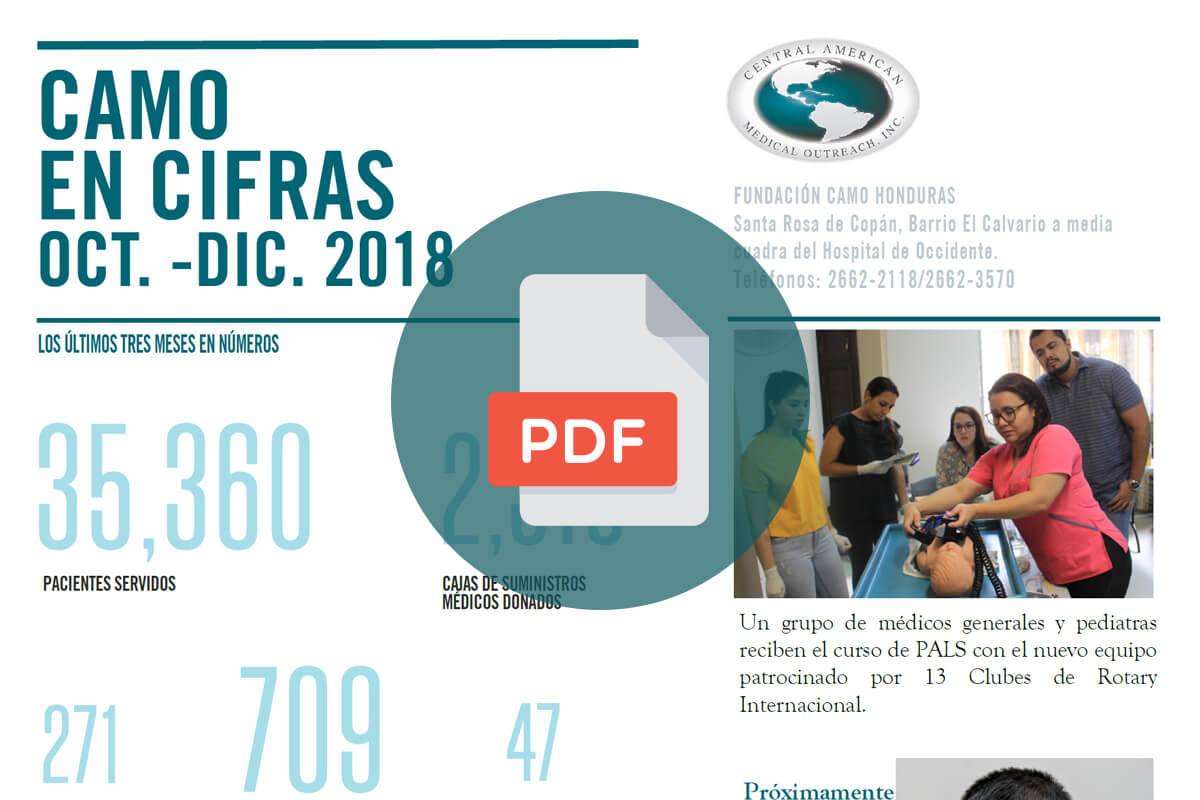
Let’s Impact the world together
Every act of generosity helps us save lives. Whether you choose to make a financial donation, sponsor a specific service, volunteer your time, or donate medical equipment, you play a vital role in bringing hope and sustainable healing to communities in Central America.