Bringing Hope to the forgotten
Make A Donation
With your donation, you are partnering with CAMO to provide medical services, educational opportunities, and a healthy environment.
Current Capital Campaign
$3,100,606
With your donation, you are contributing together with CAMO to provide medical services, educational opportunities and contributing to a healthy environment.
Other Ways to give
Sponsor a CAMO Service
Direct your donation to fund a specific service, like a child’s dental care or a life-changing prosthetic.
Gift to the Capital Campaign
Invest in CAMO’s long-term future by contributing to our major infrastructure and facility expansion projects.
Projects
Provide targeted support for sustainable health, education, and community development in the communities we serve throughout Honduras.
In Memory of a Loved One
Honor the legacy of someone special by making a meaningful tribute gift that transforms lives in their name.
Planned Giving
Secure a legacy of hope by including CAMO in your will, trust, or long-term estate planning.
Transfer of Assets
Maximize your impact and enjoy financial tax benefits by donating appreciated stocks, bonds, or property.
CAMO is not built around the experience of the volunteer. It is built around the long-term success of the people and institutions being served.
What makes CAMO different from other international aid or medical mission organizations?
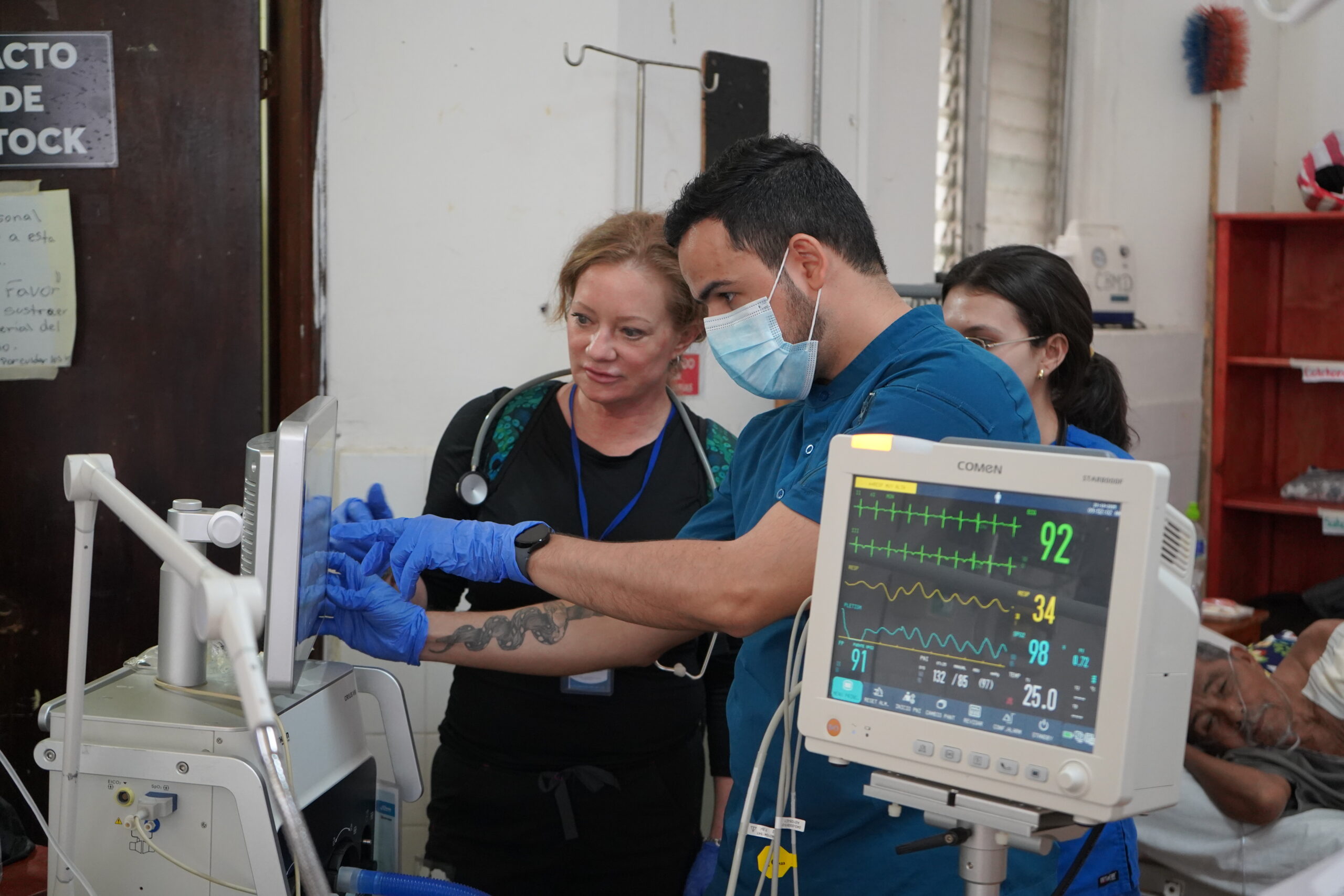
- CAMO was built to do what short-term missions often cannot: stay long enough to create lasting change. From the beginning, CAMO rejected the “Band-Aid brigade” model of arriving, serving for a few days, and leaving. Instead, U.S. professionals are matched with Honduran counterparts and historically have been asked to make a minimum five-year commitment. The first years build trust; later years transfer knowledge, develop systems, secure appropriate equipment, and strengthen the Honduran professional’s ability to teach others.
- CAMO also combines what many organizations provide separately: medical services, education, community development, medical equipment and supplies, biomedical repair, infrastructure, and long-term follow-up. Needs are identified locally, resources are matched to those needs, and CAMO remains involved after the visiting professional leaves.
- The results demonstrate the scale of this model. In FY2024–25 alone, CAMO reported 217,767 medical services, 3,034 people educated, 151 medical brigades, and extensive community-development services.
- The difference is not simply what CAMO gives. It is what remains after CAMO gives it
How do you know what communities in Honduras actually need?
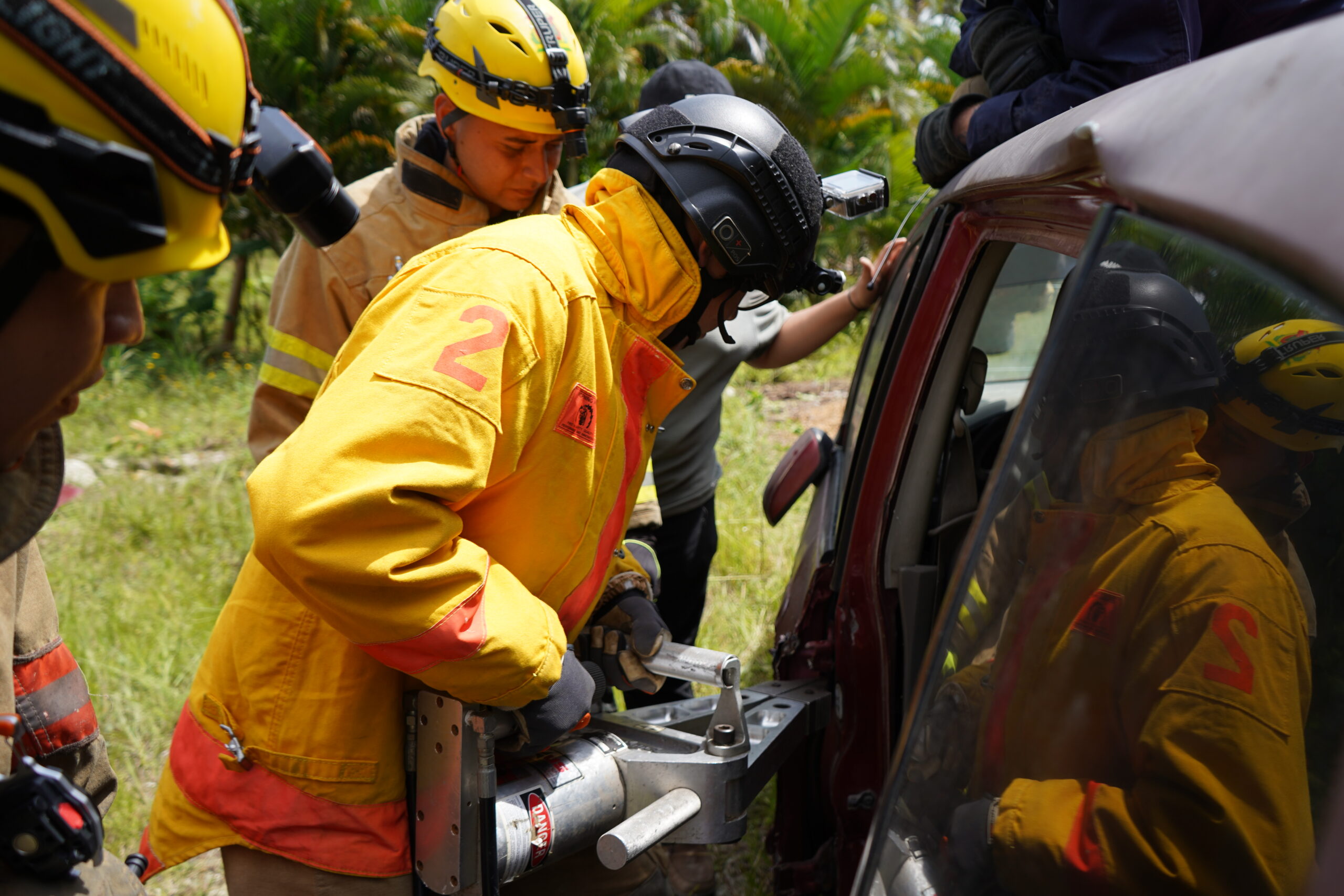
- We ask them.
- One of CAMO’s founding principles is simple: never assume that an outsider knows what a community needs better than the people who live and work there. Kathryn Tschiegg the founders experience in the Peace Corps shaped a model requiring CAMO to listen first, understand the culture and circumstances, develop a plan only after the need is understood, establish accountability, provide follow-up, and build the infrastructure and logistics necessary to support the solution.
- Needs are identified by Honduran healthcare professionals, educators, community leaders, municipalities, institutions, patients, and CAMO’s Honduran staff. U.S. professionals then bring specialized knowledge to work with, not over, their Honduran counterparts. The book documents that even the earliest medical teams were needs-based, with Honduran counterparts and community leaders defining priorities.
- This means CAMO does not arrive with a project looking for a place to put it. The need comes first; the response follows.
How do you measure the impact of your work?
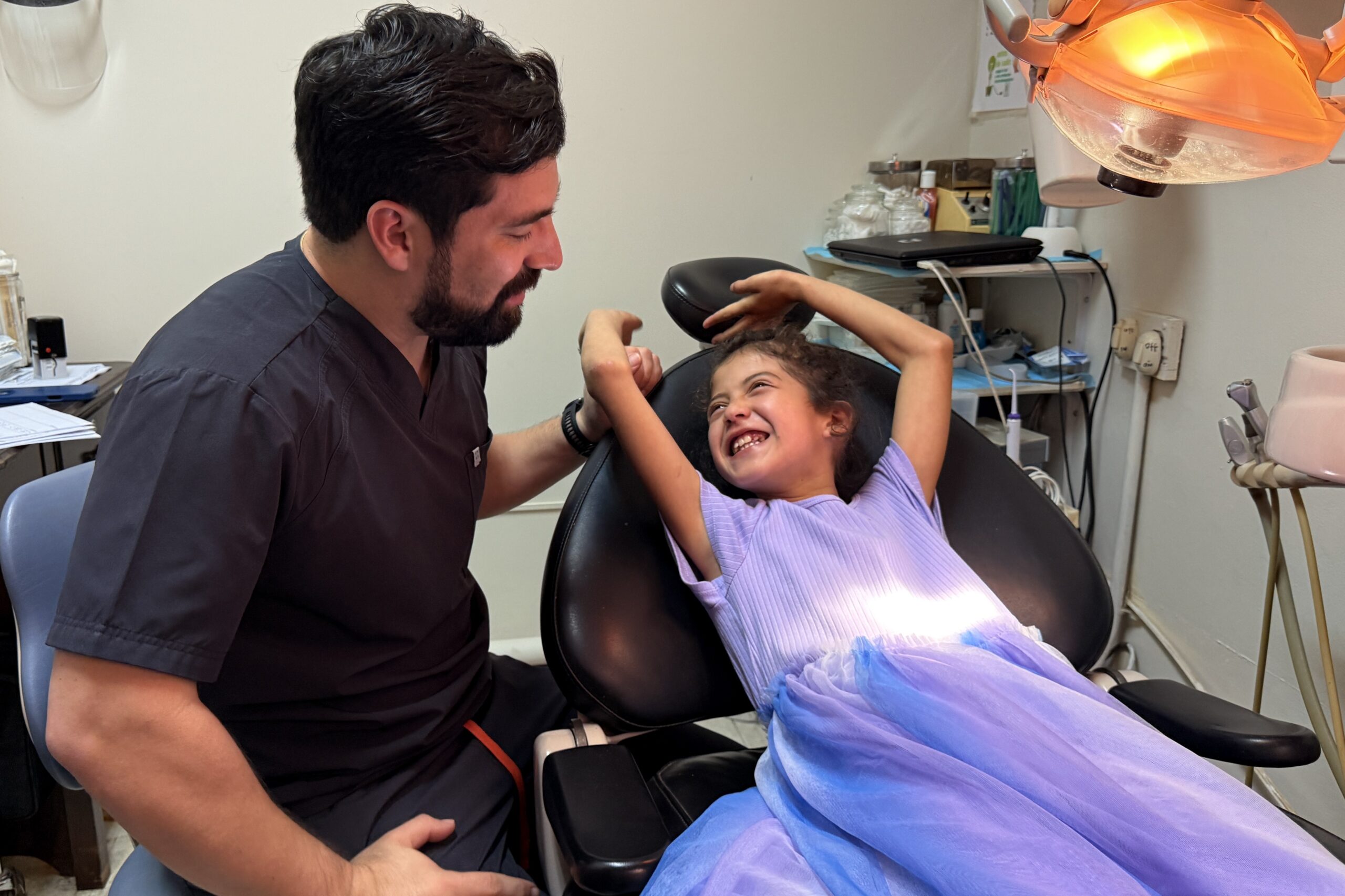
- CAMO measures more than activity. We track people served, services delivered, professionals educated, equipment placed and repaired, supplies distributed, institutions reached, and the continued function of programs and projects over time.
- For FY2024–25, CAMO documented 217,767 medical services. Women received 5,056 services through women’s health initiatives; 6,177 patients were treated through surgical programs; 1,393 internationally recognized BLS, ACLS, and PALS certifications were provided through CAMO’s American Heart Association-accredited Training Center; and 1,641 children in 16 rural schools received textbooks, teacher support, and health screenings.
- CAMO also measures whether systems continue functioning. For example, biomedical staff completed 608 preventive and corrective equipment work orders in the most recent annual report.
- The real test is not simply “How many people did we see?” It is also “What changed, what continues, and who in Honduras can carry the work forward?”
How do donated medical supplies and equipment reach the people who need them?
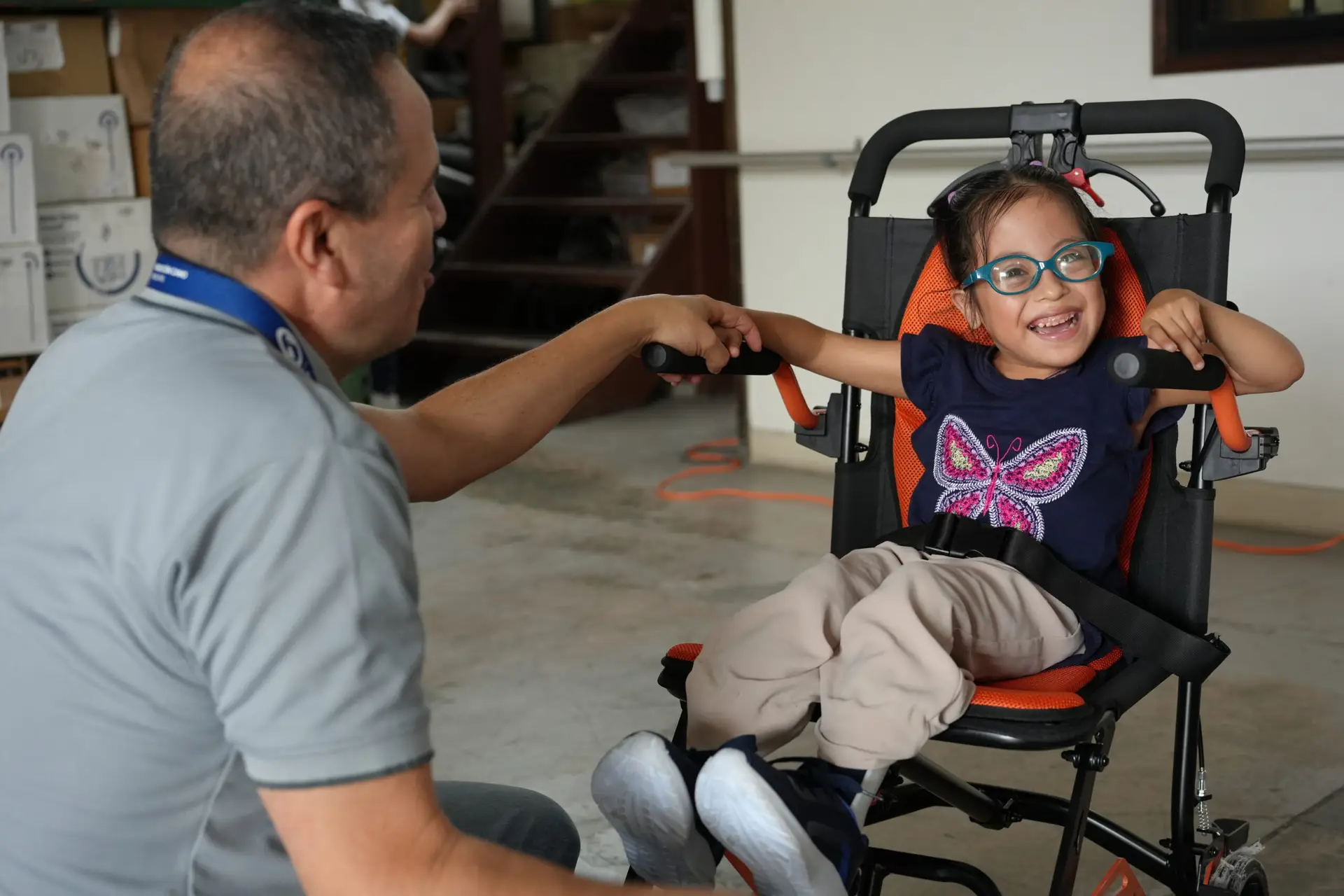
- Every donation follows a process—not a guess.
- In the United States, donated supplies and equipment are evaluated, sorted, cleaned, inventoried, repaired when necessary, packed, and prepared for shipment. In Honduras, resources are received and redistributed according to documented program and institutional needs. CAMO’s volunteers are a major part of this system: the FY2024–25 Annual Report credits 492 volunteers with supporting inventory management, biomedical repair, and logistics. That year, CAMO shipped 7 containers containing 7,946 boxes of supplies and 626 pieces of medical equipment valued at approximately $2.39 million.
- Those resources are not simply unloaded and forgotten. Equipment is supported by CAMO’s biomedical program, which performs preventive and corrective maintenance, while medical supplies are directed to programs, hospitals, clinics, and other institutions with identified needs.
- CAMO USA and CAMO Honduras also use a shared cloud-based inventory and distribution system to improve tracking and accountability from donation through distribution.
- For the donor, that means a donation is not merely shipped—it is evaluated, tracked, placed, supported, and put to work.
Is CAMO financially transparent and accountable?
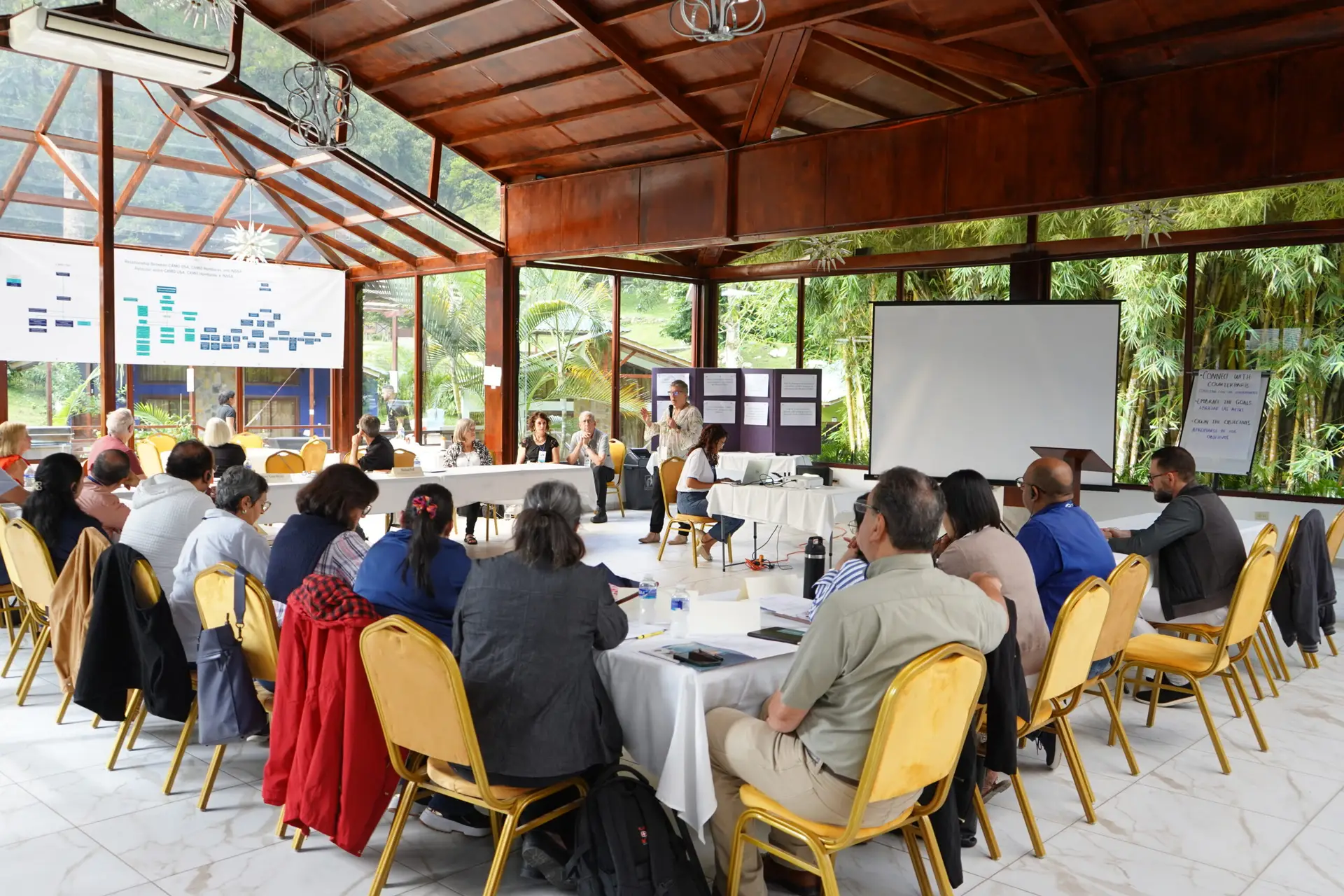
- Yes—and independent data supports that conclusion.
- Charity Navigator currently awards Central American Medical Outreach a 96% Four-Star rating for Accountability & Finance. Its profile confirms independent financial statements, audit oversight, no material diversion of assets, no loans to or from officers, and appropriate records-retention practices.
- CAMO’s FY2024–25 Annual Report provides donors with revenues, expenses, assets, liabilities, and functional spending. Of approximately $5.16 million in expenses, 94%—$4.87 million—was reported for programs and services, approximately 5% for management and general expenses, and about 1% for fundraising.
- That 96% Charity Navigator score compares very favorably with other respected international organizations: Project C.U.R.E. currently scores 96%, while Medical Teams International and Global Brigades score 91%.
- For a donor, accountability means being able to see both where the resources went and what they accomplished. CAMO reports both.
How does CAMO make its programs sustainable?
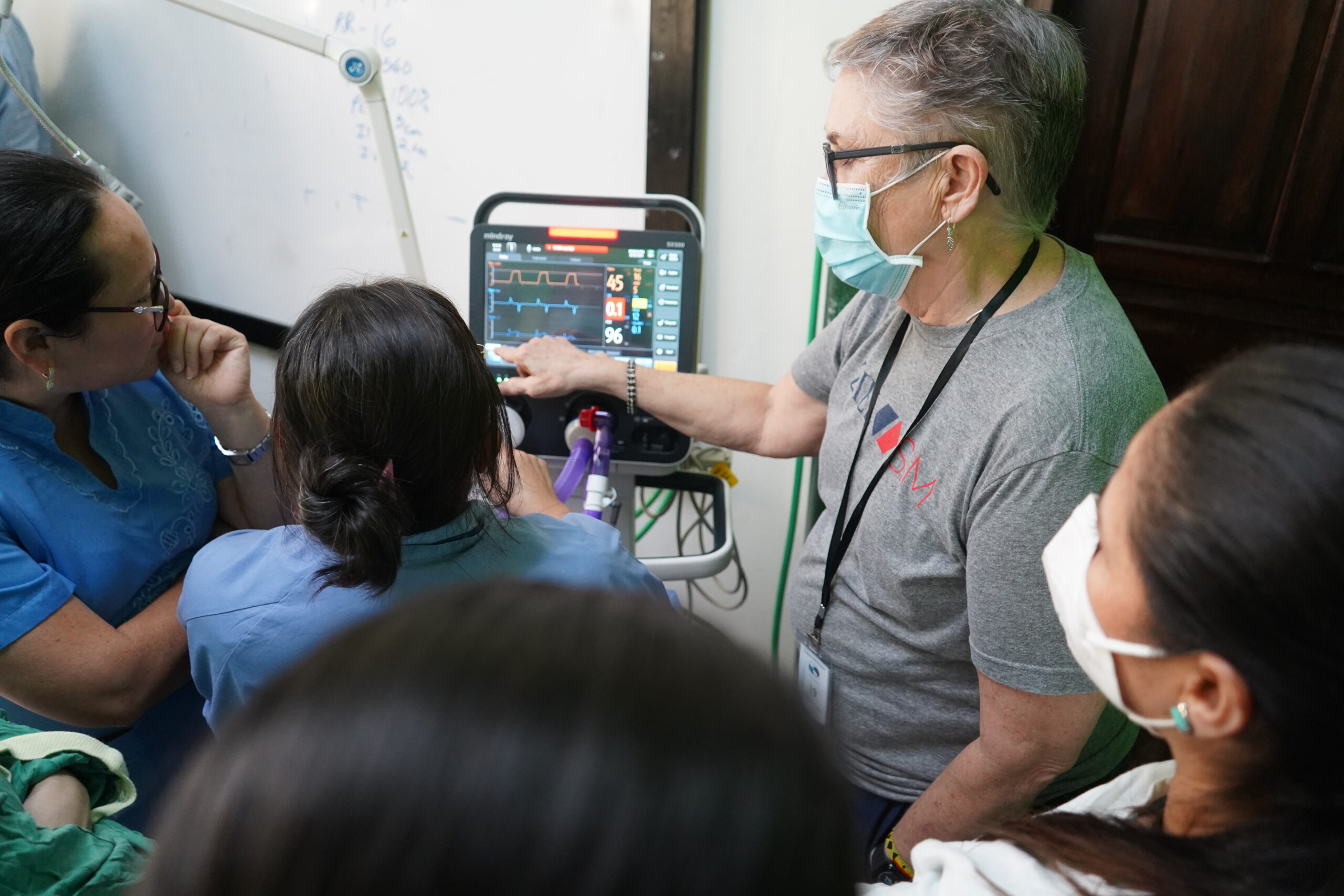
- Sustainability is not something CAMO adds after a program begins—it is built into the design from the beginning.
- CAMO connects several elements that must work together: a committed Honduran professional or institution, education, appropriate equipment and supplies, infrastructure when needed, maintenance, measurable goals, follow-up, and a long-term financial plan. Kathryn describes sustainable development as a “complete fabric,” not a single thread.
- CAMO has also deliberately increased financial participation from Honduras. Beginning in 2008, Fundación CAMO Honduras was challenged to increase the portion of its operating expenses generated within Honduras rather than remain dependent on U.S. fundraising. That strategy led to municipal contracts, partnerships, locally generated revenue, and development of INSSA as a social enterprise.
- The Annual Report shows the results of that strategy: funding generated within Honduras has grown substantially over time and reached 81% of operational funding in FY2024–25.
- Sustainability means that Hondurans increasingly possess the knowledge, leadership, infrastructure, and financial capacity to continue the work themselves
Does CAMO work with Hondurans or primarily send U.S. volunteers to Honduras?
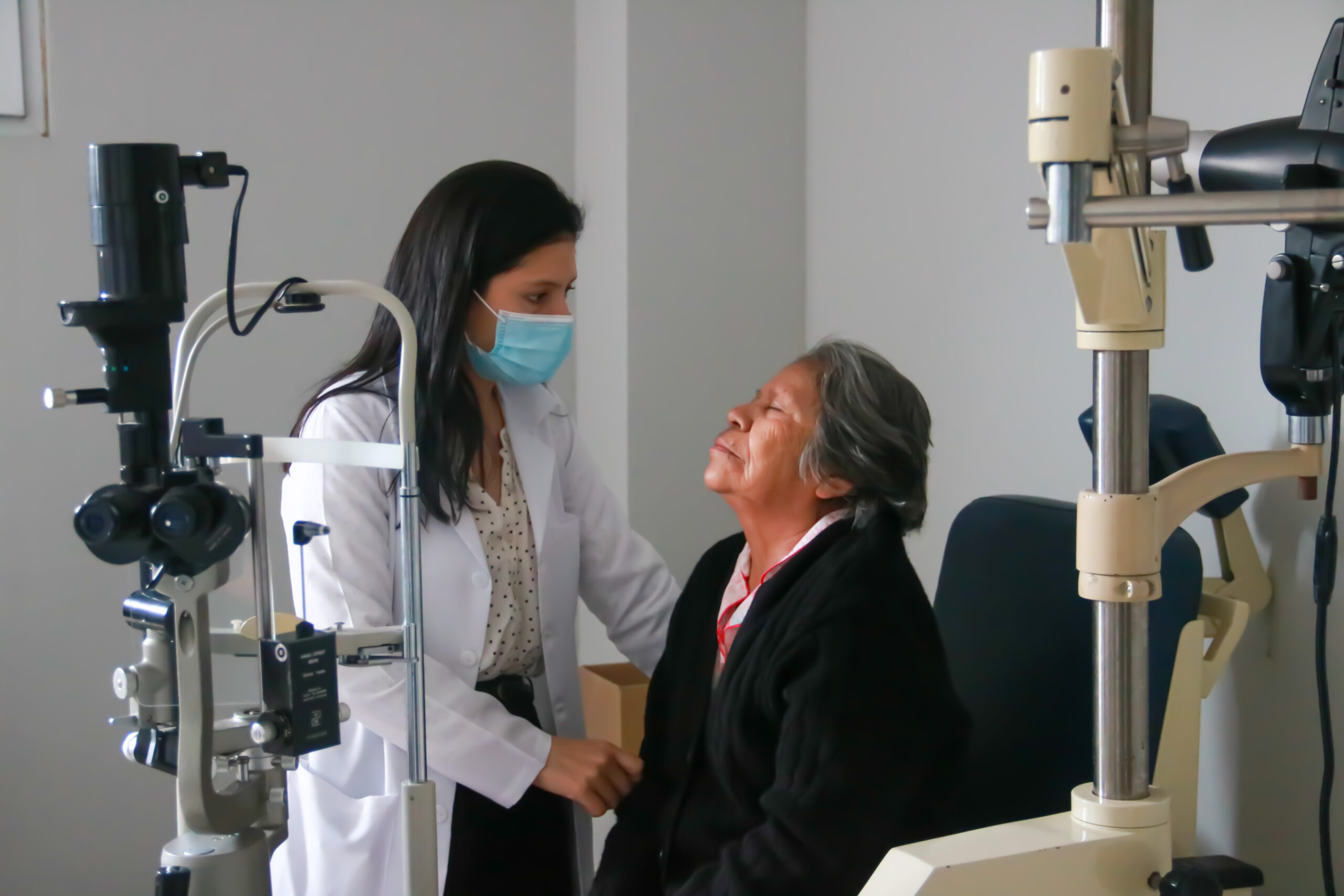
- The Counterpart Model matches specialized U.S. professionals with Honduran professionals who remain in the country serving patients and communities every day. Visiting professionals bring experience, education, and resources, but their purpose is to strengthen the expertise already present in Honduras. The book describes how the exchange develops over several years until Honduran counterparts are able not only to provide the service independently but also to teach others.
- CAMO Honduras has its own professional staff, leadership structure, and board. The most recent annual report describes physicians, teachers, technicians, volunteers, municipal leaders, and CAMO staff in Honduras working together with their U.S. partners.
- Some of CAMO’s longest counterpart relationships have continued for decades. One ophthalmology partnership documented in the founder’s book grew from a one-to-one professional relationship into a major ophthalmology center and training resource.
- CAMO does not go to Honduras to do the work for Hondurans. We work beside Hondurans so the expertise and systems remain in Honduras.
How do you make sure your work continues without creating dependency?
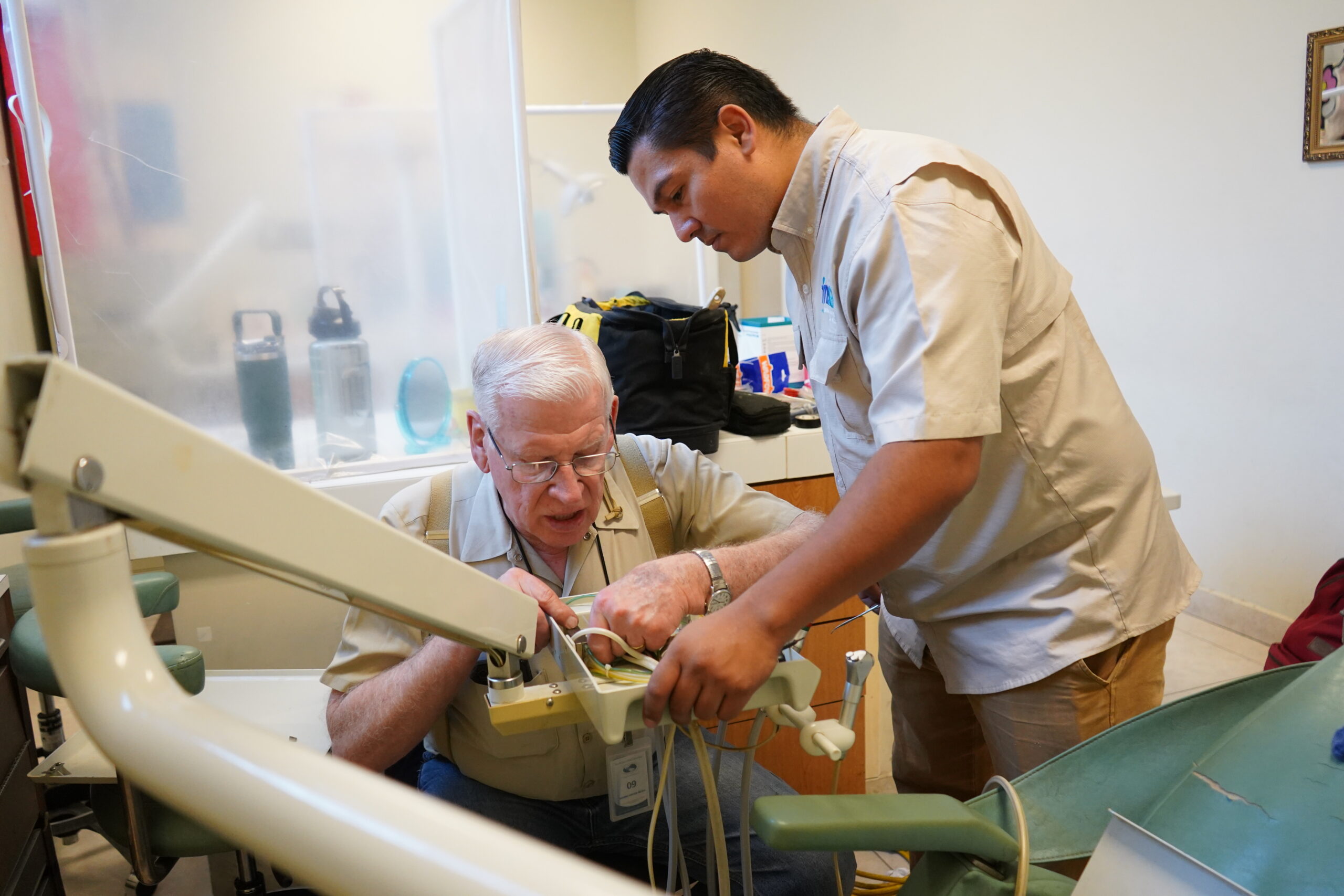
- This question goes to the heart of the CAMO model.
- CAMO’s original strategic principles specifically required the organization to create plans that do not foster dependency, establish accountability, provide follow-up, and develop the infrastructure and logistics necessary for people to do the work themselves.
- That is why CAMO does not simply donate a machine. We ask: Is it needed? Can it be operated locally? Are the correct accessories available? Can someone maintain it? Does the professional know how to use it? Is there a system for follow-up? CAMO built biomedical capacity precisely because donated equipment that cannot be repaired eventually becomes expensive waste. In one early counterpart effort alone, technicians repaired 93 pieces of equipment with an estimated replacement value of $975,000.
- The same principle applies to education, community development, and infrastructure: local leadership and sustainability are developed from the start.
- The goal is not to make a community need CAMO forever. The goal is to leave that community stronger because CAMO was there.
Still Have questions?
Contact us today to get the answers you need. Whether you have inquiries about donations, volunteering, or our specific services, the CAMO team is here to help.