Support Services
The Systems Behind the Care
Medical care depends on far more than doctors, medicine, and equipment. Patients must be identified, services must reach rural communities, equipment must remain functional, and facilities must be maintained long after a project is completed.
That is why CAMO’s support services are built into the model itself. Social services help identify those with the greatest need. Honduran medical teams carry care into rural communities. Biomedical professionals keep critical equipment functioning. Maintenance staff protect the facilities and projects donors have helped build.
These services may work behind the scenes, but they are essential to keeping CAMO’s healthcare system working every day.
Medical Brigades
Hondurans Caring for Hondurans
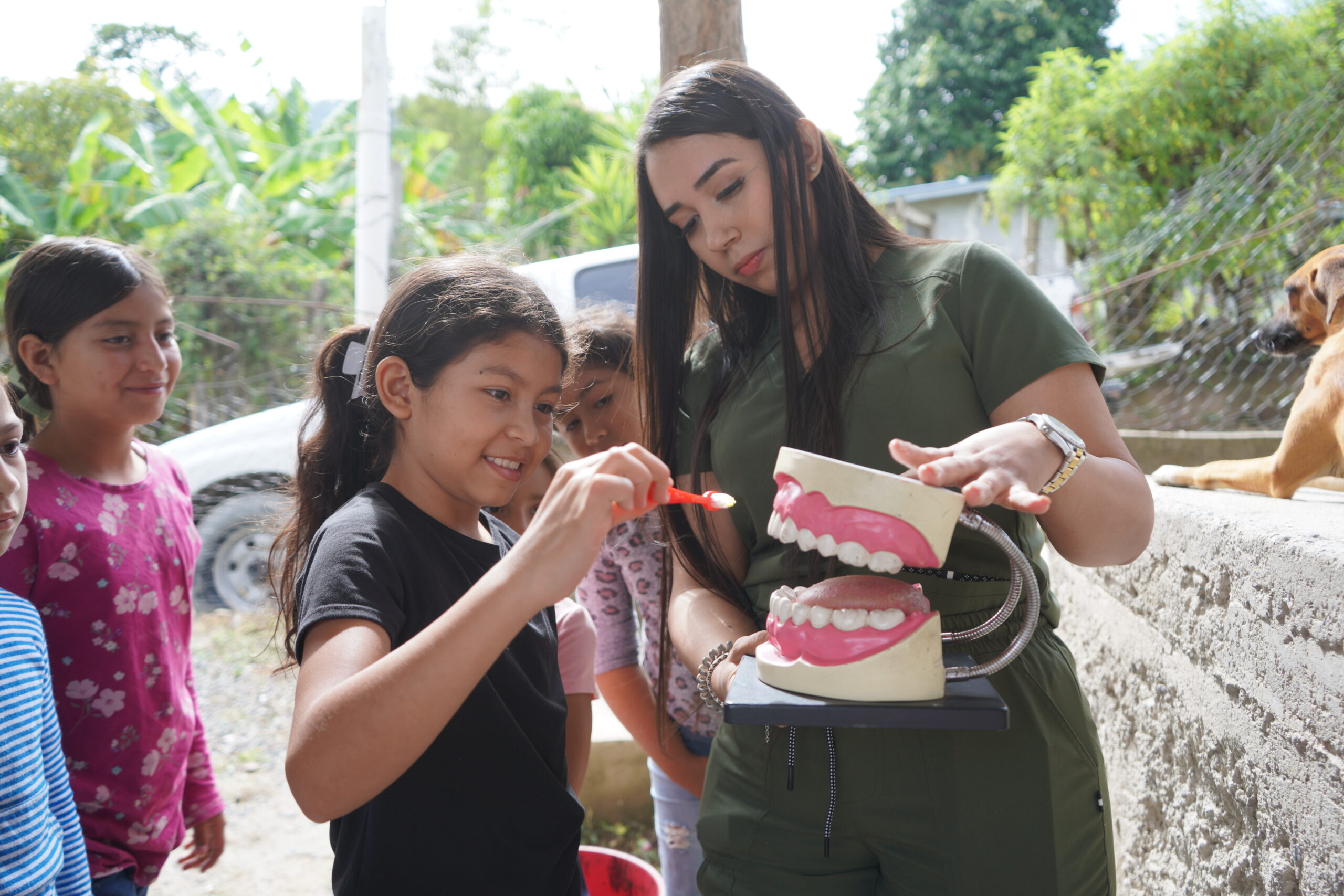
CAMO’s medical brigades are not simply visiting U.S. teams traveling into rural villages. Much of this work is carried out by Honduran healthcare professionals serving their own communities, taking medical, dental, nutrition, women’s health, screening, and other services to people who may live hours from regular care.
CAMO has developed partnerships and service agreements with municipalities, NGOs, and private organizations to help extend these services. In 2023–24 alone, CAMO maintained 13 collaboration agreements and conducted 196 brigades providing 11,510 services, primarily in rural communities with limited access to specialized care.
In 2024–25, CAMO carried out 151 brigades, reaching 12,464 patients with medical, dental, nutrition, women’s health, ophthalmology, ENT, mammography, and other services.
The model also strengthens sustainability. CAMO has developed agreements with small municipal governments that contract Honduran medical teams to provide services their communities otherwise could not support independently.
IMPACT
Maintenance Department
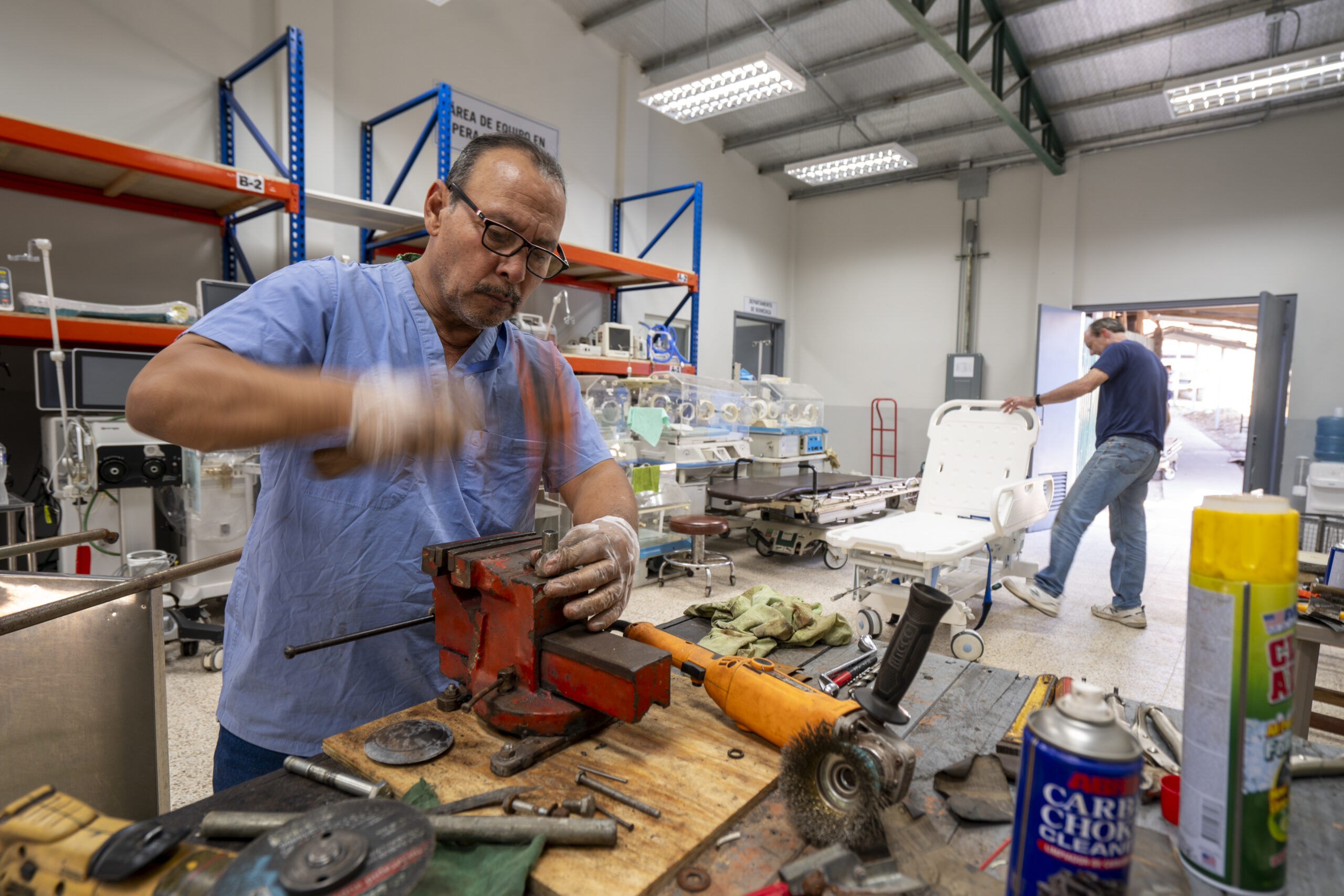
Building a clinic, shelter, community center, or medical department is only the beginning. Without regular maintenance, even the best facility eventually deteriorates.
CAMO’s Maintenance Department was created to protect the investments made by donors, communities, and partners over more than three decades. CAMO-trained staff provide preventive maintenance, repairs, and improvements in areas such as electrical systems, plumbing, roofing, welding, masonry, and general infrastructure. The expertise developed through CAMO’s counterpart model has created a skilled Honduran team capable of addressing these needs locally.
Recent work has included repairs and upgrades at the Public Health Center and improvements to the Domestic Violence Shelter. The health center alone now houses 22 specialty clinics and serves approximately 180–700 patients each day.
The result can be seen across CAMO’s history: projects built years and even decades ago remain in service because CAMO continues to follow up, repair, maintain, and protect what has been created.
IMPACT
Biomedical Department
A $50,000 Machine Is Worthless Without the Part That Makes It Work
“It doesn’t do any good to have a $50,000 piece of medical equipment if it sits unused because no one knows that all it needs is a simple replacement part.”
That principle has shaped CAMO’s approach to medical equipment from the beginning. Donating sophisticated technology without the ability to install, maintain, troubleshoot, and repair it is not sustainable.
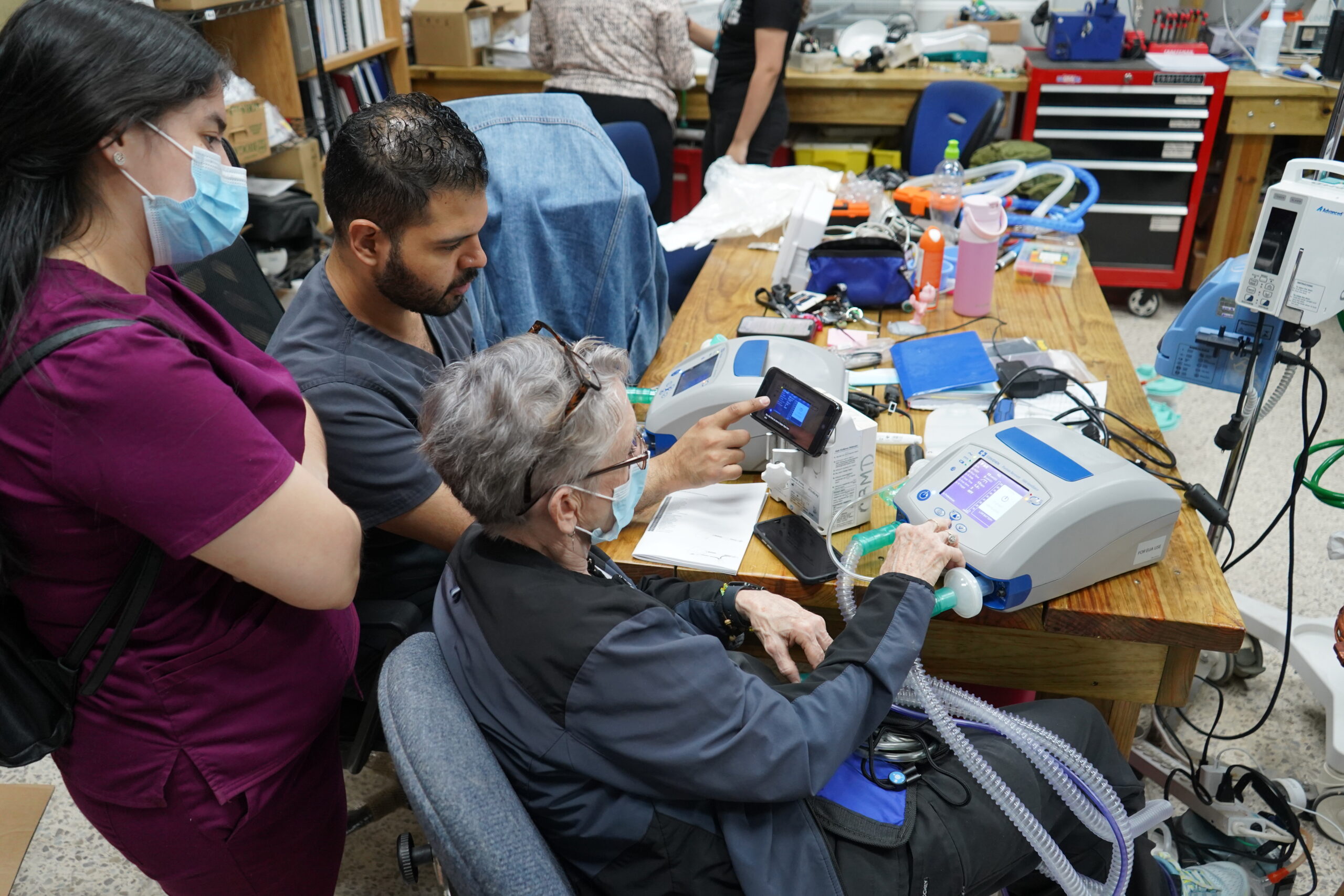
CAMO therefore developed biomedical capacity in Honduras so trained professionals are available to provide preventive maintenance and corrective repairs. In one major counterpart effort, CAMO and Honduran biomedical teams restored 93 pieces of medical equipment with an estimated replacement value of $975,000.
In 2024–25, CAMO’s biomedical engineering team completed 608 preventive and corrective work orders, keeping equipment functioning across western Honduras.
The issue is not merely financial. When a ventilator fails, a patient may not be able to breathe. When a monitor fails, a dangerous arrhythmia may go undetected. When diagnostic equipment is not functioning correctly, a patient may be misdiagnosed.
IMPACT
More Stories
CAMO helps with emergency services training in Honduras
Special to The Daily Record SANTA ROSA de COPAN, Honduras – The damaged vehicle lays on its side, its victim trapped inside.…
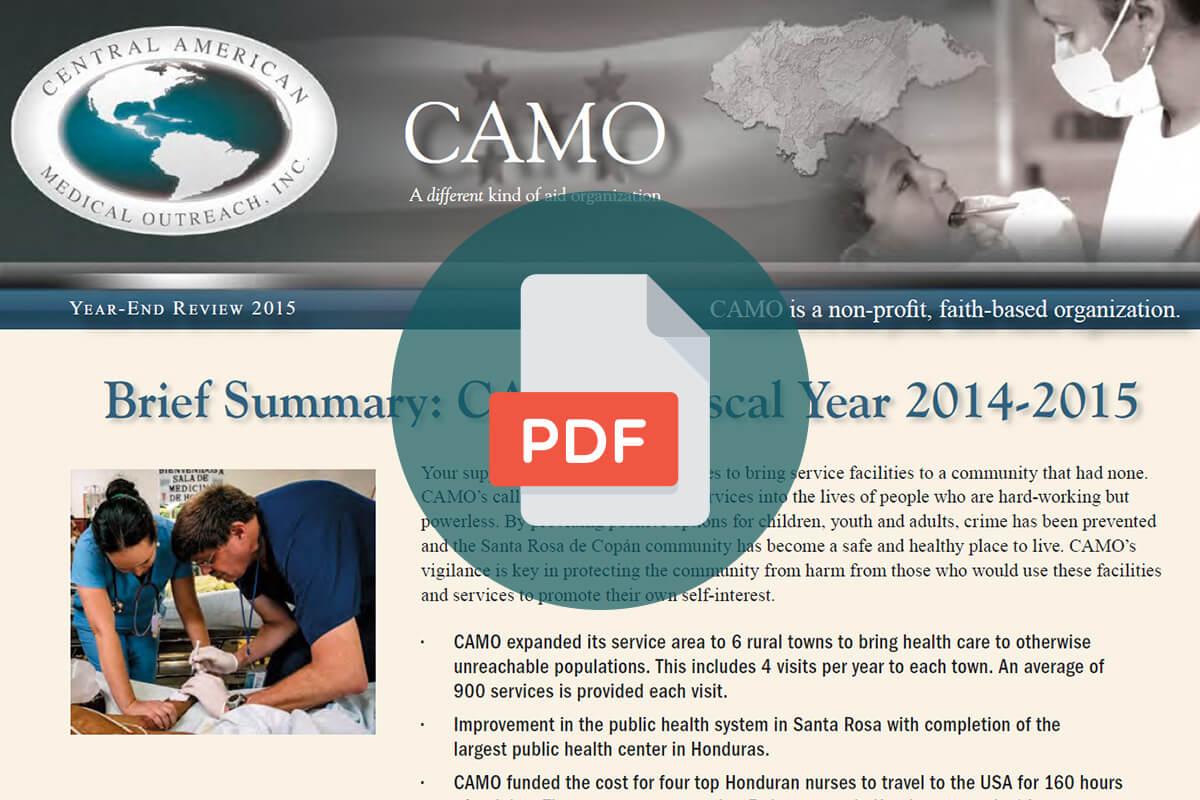
Fin de año 2014-2015
Su apoyo nos ha dado los recursos para llevar instalaciones de servicio a una comunidad que no tenía ninguna. El…
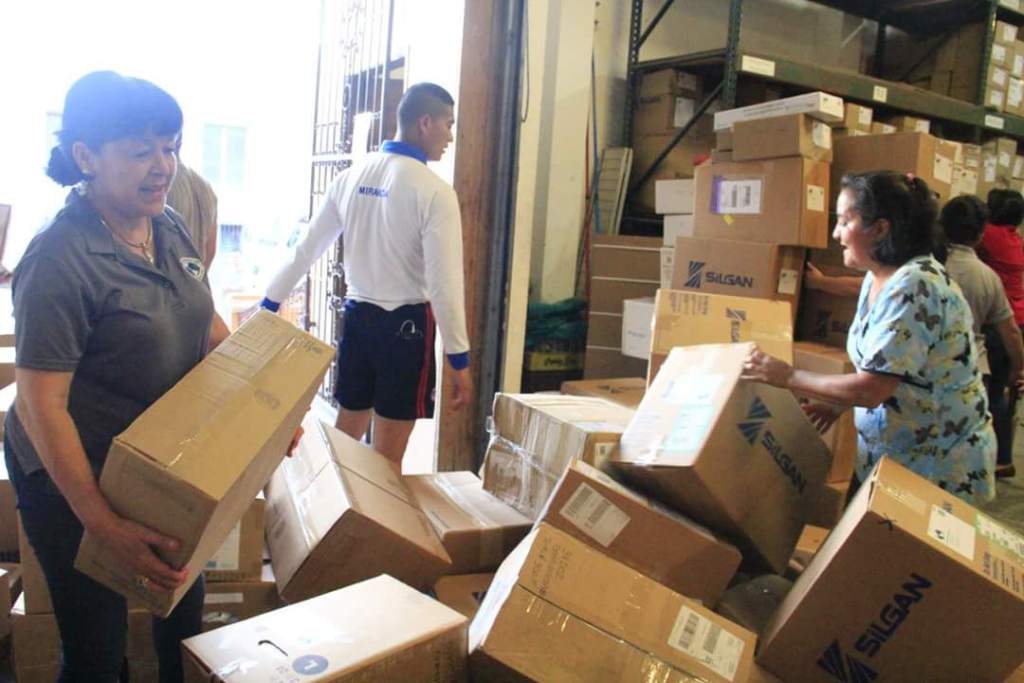
L6.7 millones en equipos donará Camo a hospitales
Tegucigalpa, Honduras Equipos y suministros médicos entregará la Fundación Camo a hospitales y centros de salud en el país para…
Let’s Impact the world together
Every act of generosity helps us save lives. Whether you choose to make a financial donation, sponsor a specific service, volunteer your time, or donate medical equipment, you play a vital role in bringing hope and sustainable healing to communities in Central America.
Social Services
Making Sure Help Reaches Those Who Need It Most
Resources are limited, so CAMO must be intentional about who receives subsidized and donated services. Social Services helps evaluate each patient’s financial and social circumstances so that assistance is directed toward people living in extreme poverty and those who truly have no other option for care.
This process is important because economic differences in Honduras can be significant. Without careful screening, limited charitable resources could be consumed by people who have the ability to pay privately, leaving less available for families with nowhere else to turn.
Social Services also helps connect patients with the CAMO programs and resources best suited to their individual needs.
IMPACT