Registration now open for the 2026 Salsa Sizzle — Register Now!

General Medical

Everyday Care. Life-Changing Access.

In the United States, services such as dentistry, dermatology, neurology, nutrition, diabetic foot care, psychology, and diagnostic imaging are often considered routine. For many families in Honduras, those same services may be difficult to access or financially out of reach.

CAMO’s General Medical Services bring specialized care closer to the people who need it while strengthening the Honduran professionals who provide that care year after year. Through clinics, rural brigades, equipment, medications, education, and counterpart relationships, CAMO works to identify problems earlier—before a manageable condition becomes a disability, hospitalization, or life-threatening emergency. In 2024–25, these programs provided thousands of services across multiple specialties.

Dentistry

Dentistry was one of CAMO’s first medical programs, beginning with the earliest teams in 1993. In those early years, many patients arrived only after severe decay had made saving a tooth nearly impossible. Honduran dentist Dr. Nidia Alarcón became instrumental in developing a program focused not simply on extracting teeth, but on prevention, restoration, and long-term oral health. 

Early U.S. dentists including Dr. Ted Crawford, Dr. Bruce Robinson, and Dr. Mark Gustafson helped strengthen the program, and dentists continue traveling with CAMO to work alongside Honduran professionals.

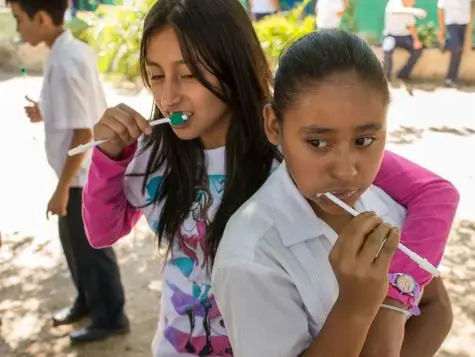
Today, mobile dentistry takes care into rural communities. In 2024–25, CAMO provided 5,647 dental services through clinic care and 62 mobile brigades, supported by portable equipment and four mobile dental units. Eight social-service dentists also gained practical experience while serving patients.

IMPACT

Preventing dental disease saves teeth, relieves pain, and gives children and adults a healthier future.

Dermatology

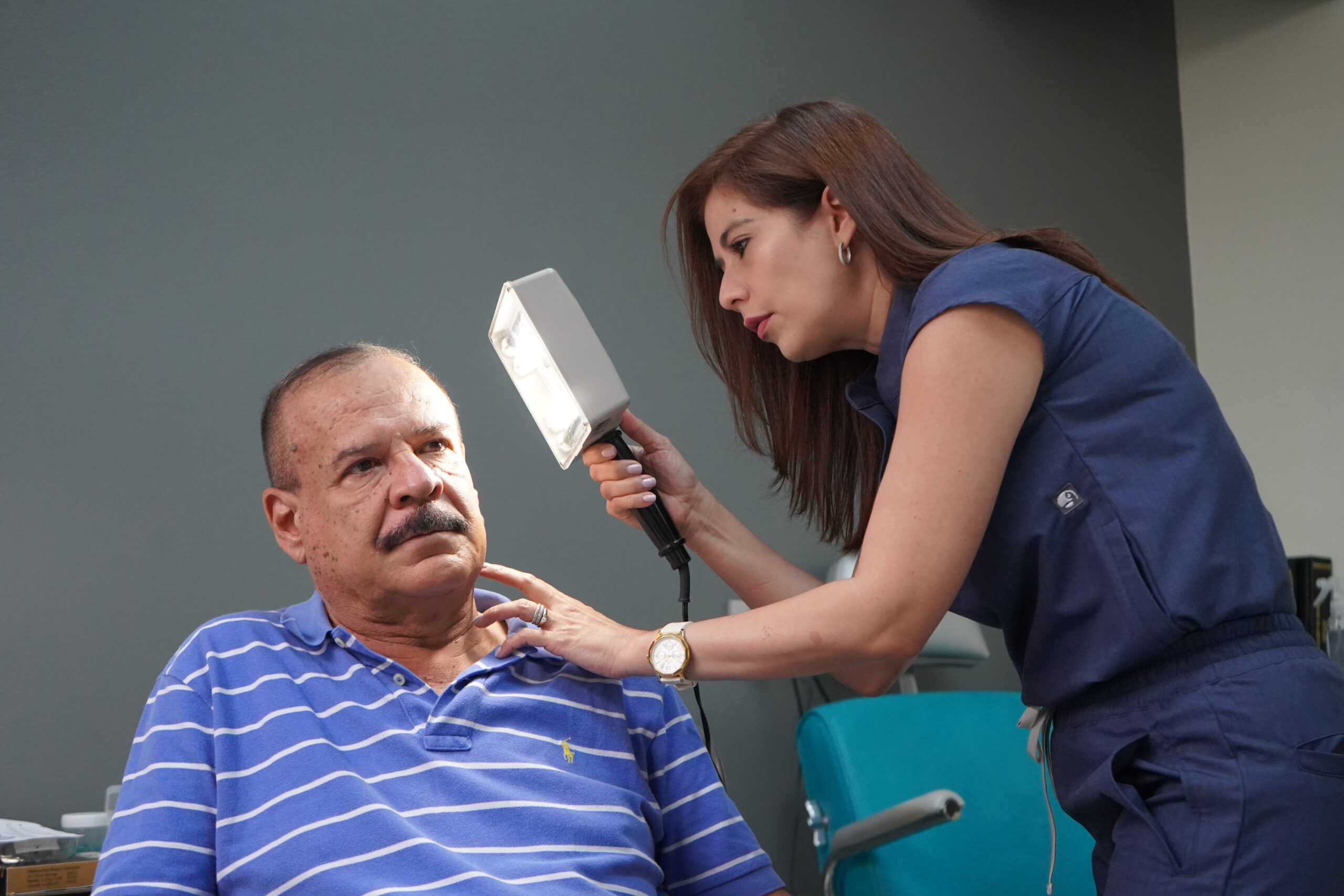
CAMO’s Dermatology Program began in 2010 after Honduran dermatologist Dr. Cynthia Álvarez recognized that specialized skin care was largely beyond the reach of families with limited resources. Almost immediately, the need became clear: among the earliest patients evaluated were individuals with melanomas that might otherwise have gone undiagnosed until the disease became life-threatening.

The program continues to provide evaluation, screening, diagnosis, and follow-up for skin conditions that patients may otherwise leave untreated because of cost. In 2024–25, CAMO documented 331 dermatology services.

IMPACT

Early detection can turn a hidden skin condition into a treatable one—and, in the case of melanoma, can save a life.

Diabetic Foot Care

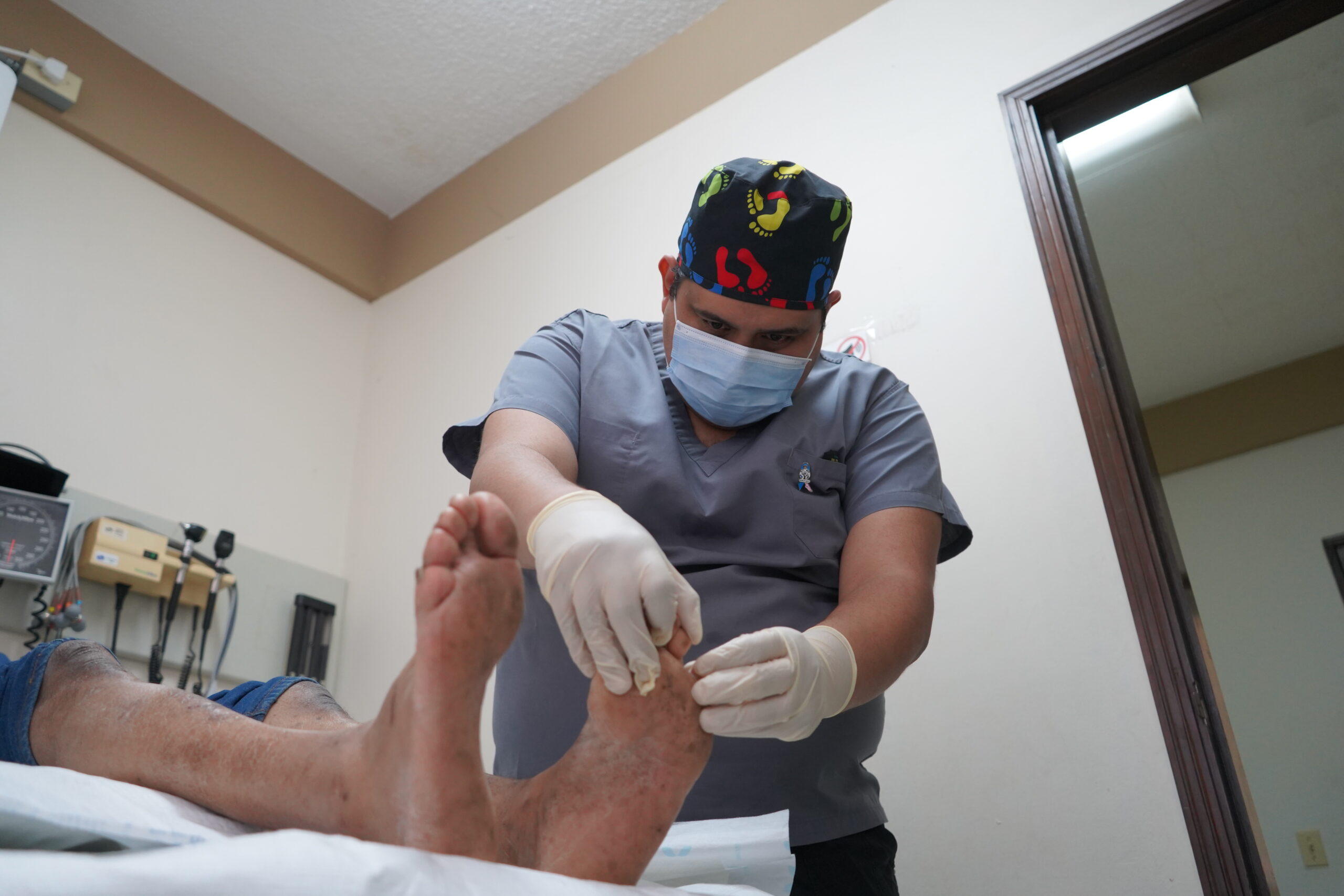
For a person with diabetes, a small wound can become a major medical emergency. Poor circulation, infection, and limited access to wound care can lead to preventable amputations.

CAMO’s Diabetic Foot Service was developed to intervene earlier. Patients receive evaluation and wound care while also being connected with nutrition and other CAMO services that address the underlying disease—not simply the wound. Honduran physicians contribute their expertise so patients can receive continued local care. In 2024–25, the clinic provided 83 specialized services.

IMPACT

Treating a wound early can prevent infection, preserve a limb, and keep a patient walking.

Neurology

CAMO’s Neurology Program began after neurosurgeon Dr. Roberto Álvarez recognized that many patients being referred for neurosurgery actually needed neurological care. He introduced CAMO to neurologist Dr. Lester Cuello, who committed his time and expertise to patients who could not afford private treatment.

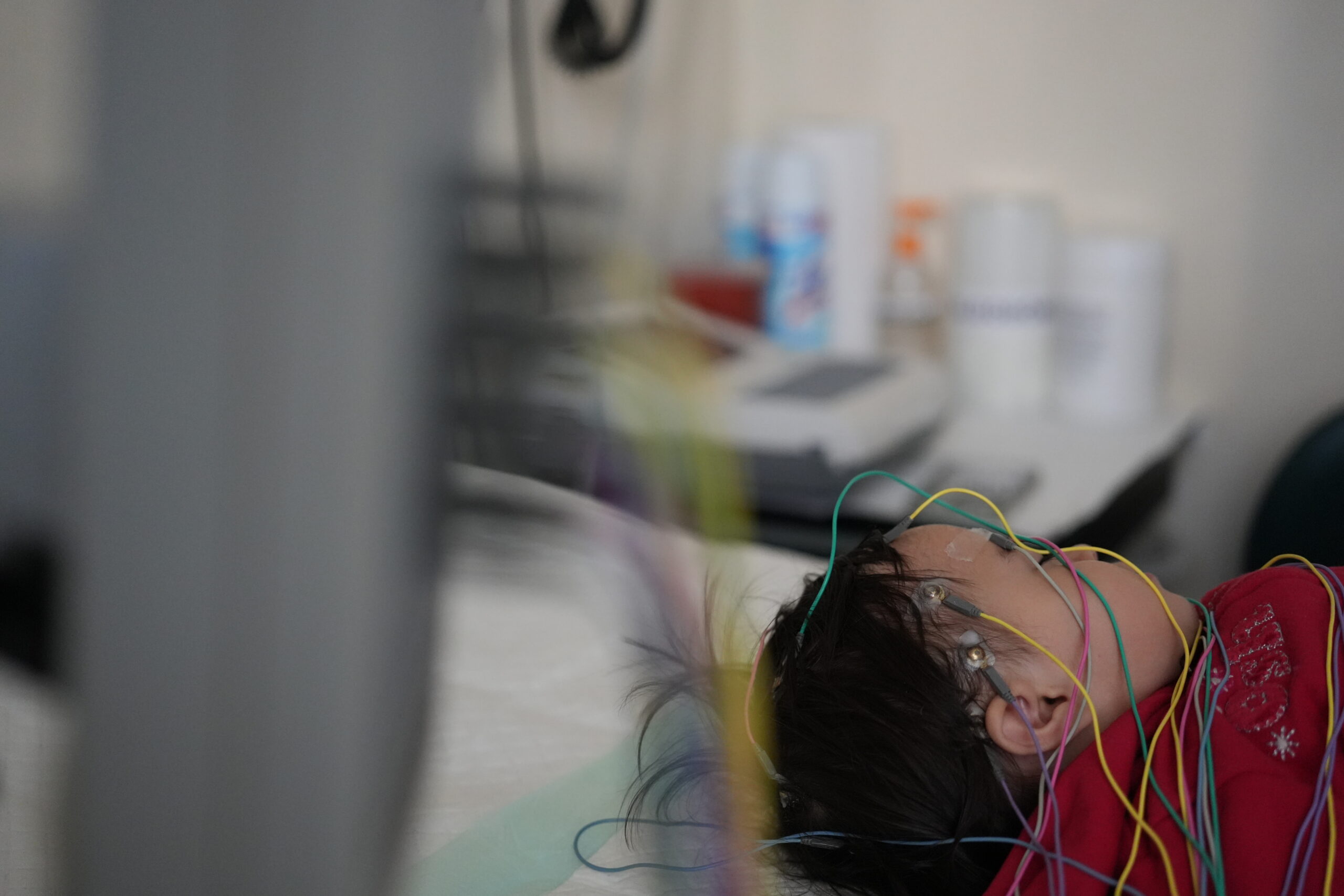
With the equipment needed to perform EEG testing, the program began caring for children and adults with epilepsy and other neurological conditions. Some children arrived experiencing repeated seizures throughout the day; proper diagnosis, medication, and follow-up have dramatically reduced—and in some cases controlled—those seizures.

The program continues to expand. CAMO reported 406 neurology services in 2024–25, and a Pediatric Neurology Program launched in February 2025 served another 137 children, providing a specialty otherwise unavailable to many low-income families in western Honduras.

IMPACT

Controlling seizures can give a child back the ability to learn, develop, and simply experience childhood.

Nutrition

CAMO’s Nutrition Program grew from witnessing patients who could not heal because their bodies lacked the nutrition needed to recover. Today, Honduran nutrition professionals provide assessment, education, supplements, and intervention for children and adults while reaching families through clinics and community brigades.

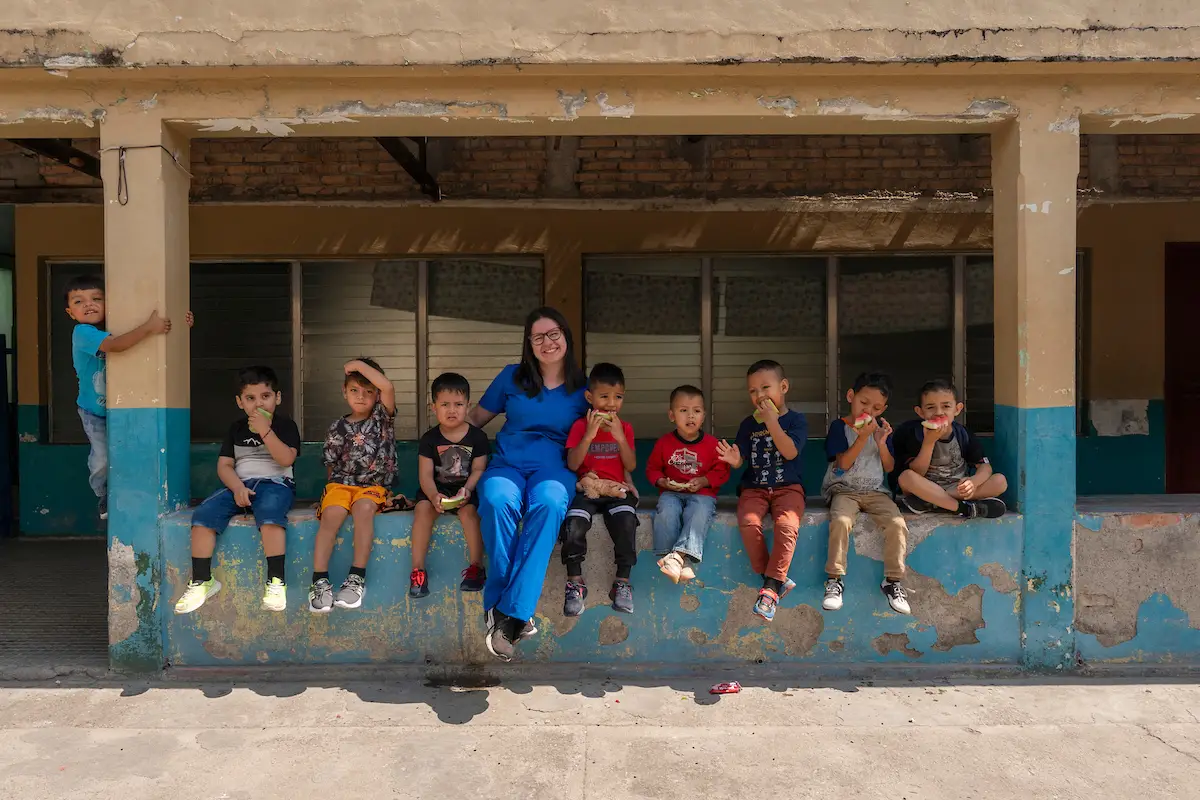
The program is also integrated into CAMO’s Literacy Program. Nutritionists evaluate children in CAMO-supported rural schools so malnutrition and other health concerns can be identified early—before hunger or poor nutrition interferes with concentration, development, attendance, and learning. The broader literacy initiative currently reaches 1,956 children in 16 rural schools, combining education with health screenings designed to identify barriers to learning. 

In 2024–25, CAMO provided 4,160 nutrition services through 26 nutrition brigades, while food-support partnerships also helped families facing food insecurity.

IMPACT

When a child is properly nourished, the opportunity to grow, learn, and succeed grows with them.

Psychology

Physical health is only part of a person’s well-being. CAMO’s Psychology Program provides access to professional support for children and adults who may otherwise have little opportunity to receive mental-health services.

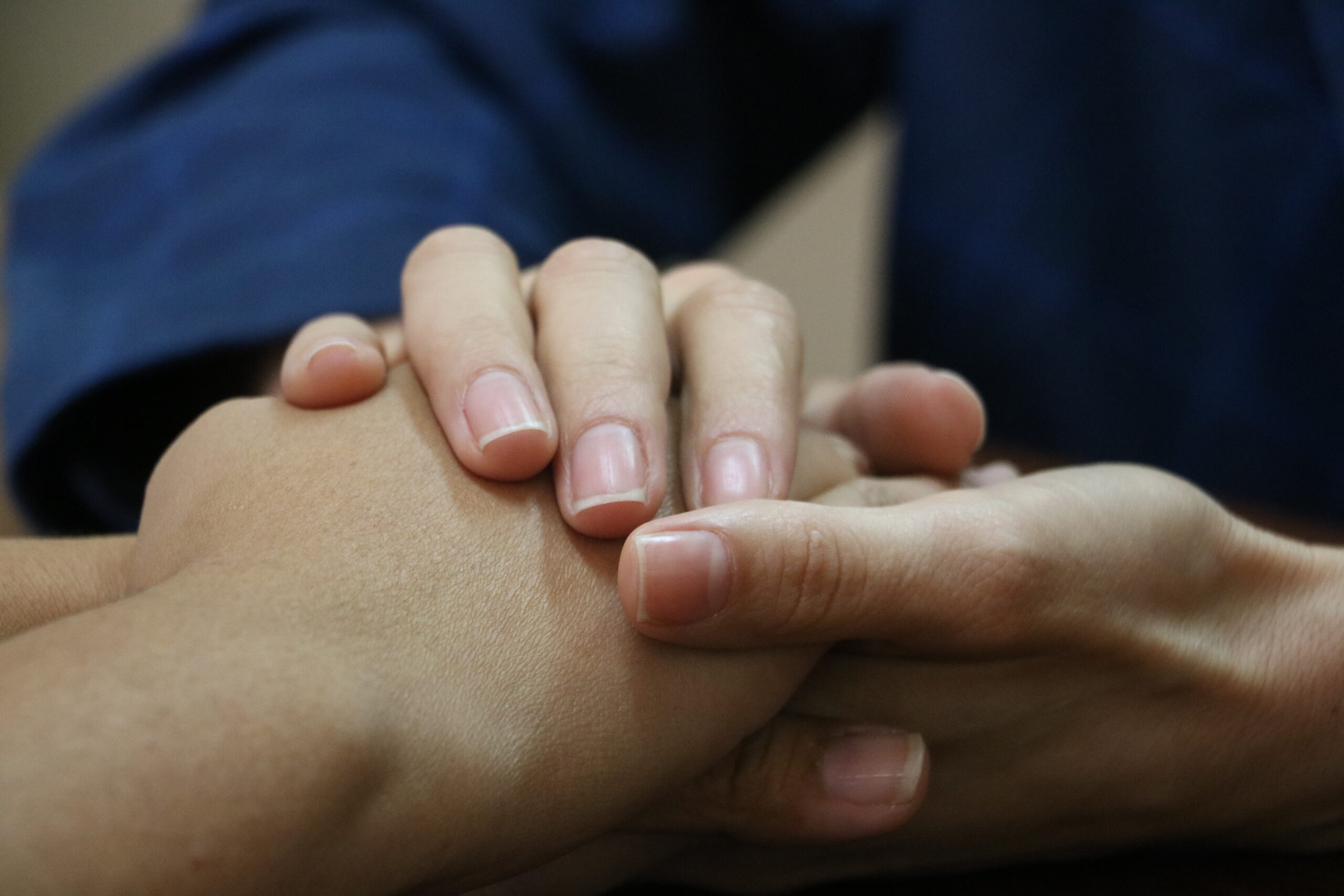
Psychological care also strengthens other CAMO programs by helping patients and families cope with illness, disability, surgery, trauma, and major changes in their lives. In 2024–25, CAMO provided 144 psychology services.

IMPACT

Healing the body matters. Helping a person regain emotional strength can change what comes next.

X-Ray

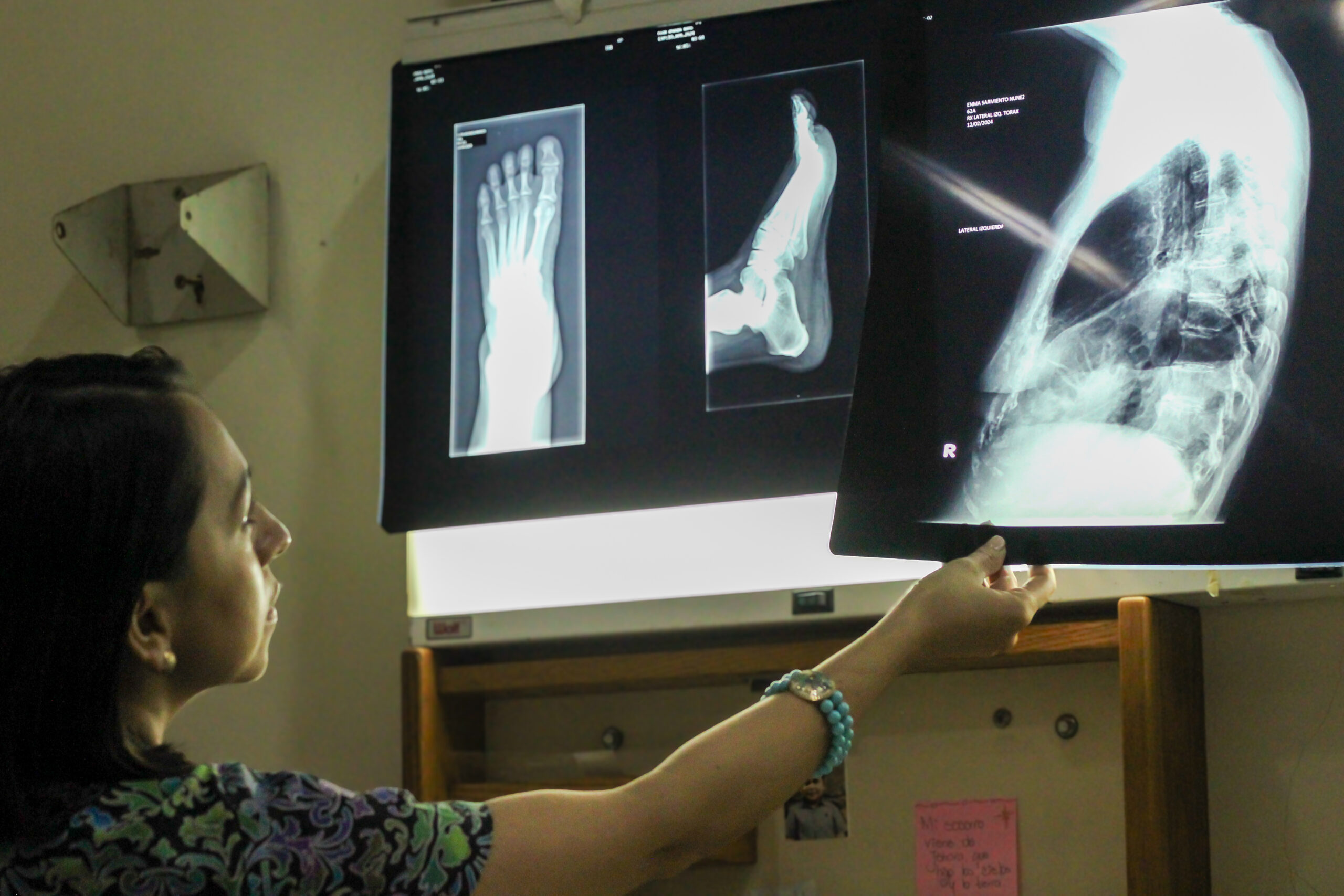
A physician cannot treat what cannot be identified. Access to reliable diagnostic imaging is essential for evaluating injuries, identifying illness, and determining the right course of treatment.

In Honduras, when public health X-ray or ultrasound equipment goes out of service, entire communities—and sometimes entire regions—can be left without access to these basic diagnostic tools. Throughout CAMO’s history, our diagnostic services have repeatedly helped fill that gap, providing a critical backup when public systems are temporarily unable to function.

CAMO-supported X-ray services help physicians make faster, better-informed decisions and determine when patients need additional specialty care. In 2024–25, 1,981 X-ray services were provided.

IMPACT

When public diagnostic services fail, CAMO helps keep care moving—so patients are not left waiting without answers.

More Stories

CAMO helps with emergency services training in Honduras

Special to The Daily Record SANTA ROSA de COPAN, Honduras – The damaged vehicle lays on its side, its victim trapped inside.…
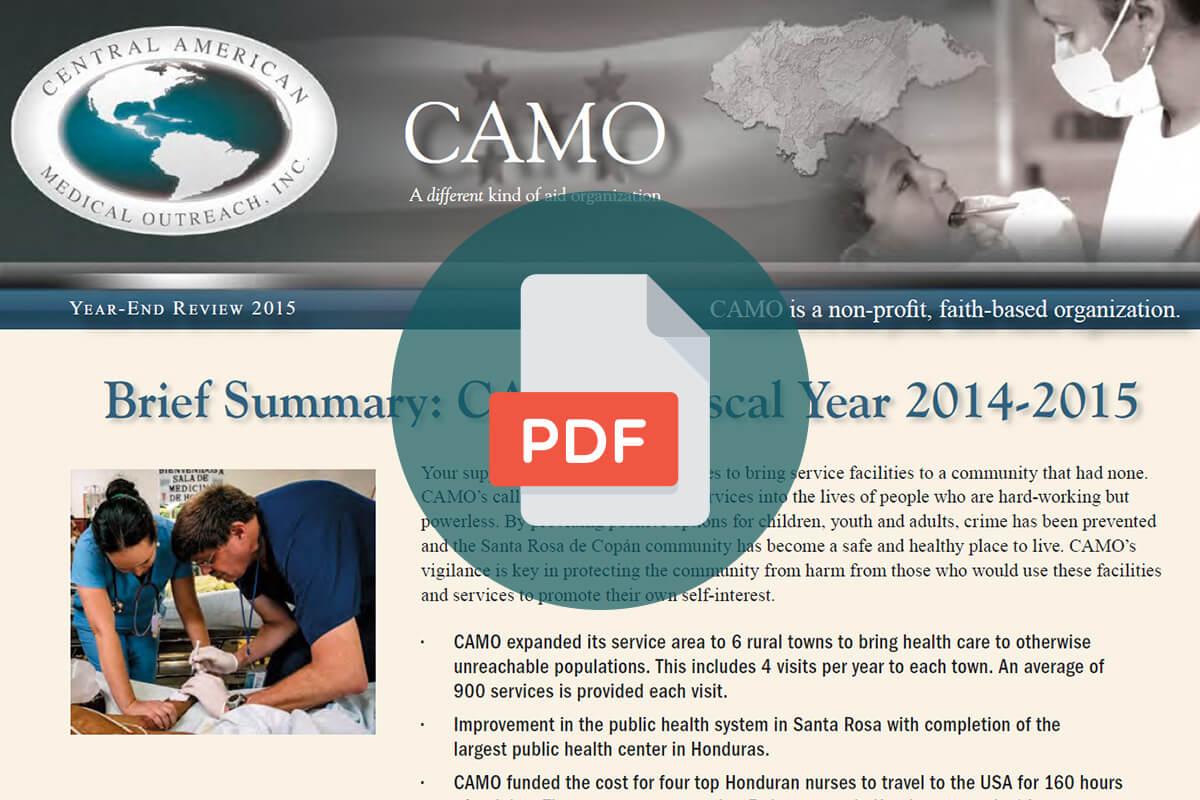
Fin de año 2014-2015
01Dec

Fin de año 2014-2015

Su apoyo nos ha dado los recursos para llevar instalaciones de servicio a una comunidad que no tenía ninguna. El…
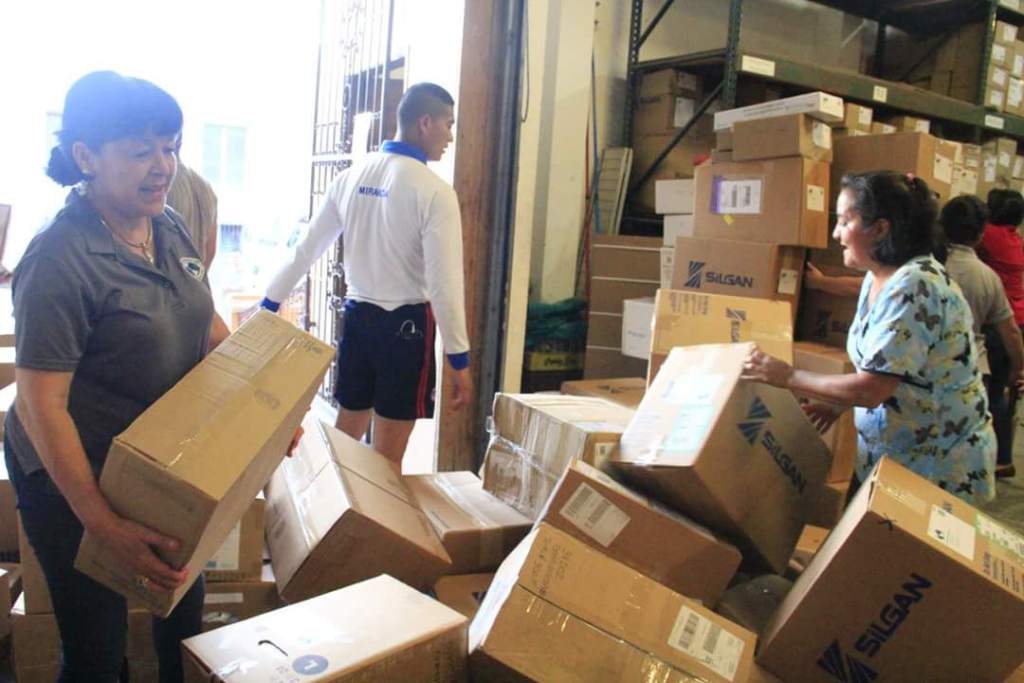
L6.7 millones en equipos donará Camo a hospitales
14Jun

L6.7 millones en equipos donará Camo a hospitales

Tegucigalpa, Honduras Equipos y suministros médicos entregará la Fundación Camo a hospitales y centros de salud en el país para…
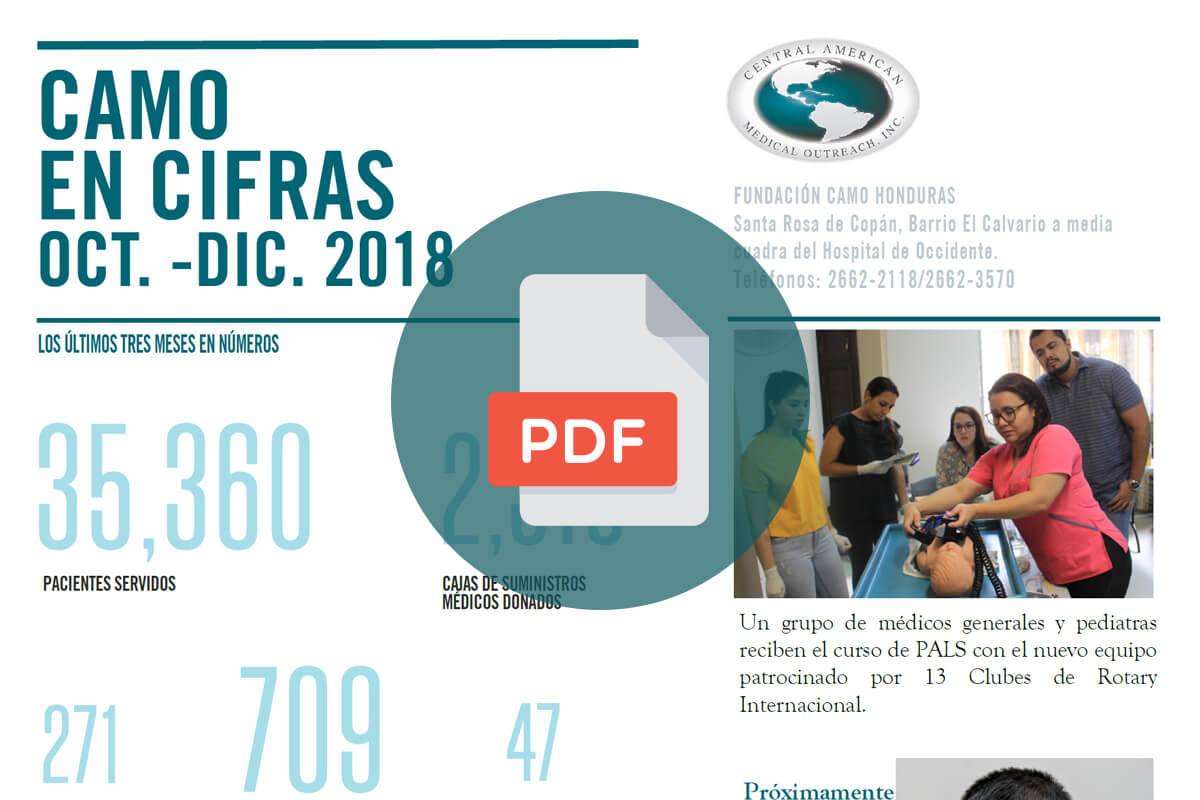
24Jan

Emanuel un paciente que nació con hidrocefalia: una historia de esperanza Al ver a Emanuel de Jesús de pie junto…

Let’s Impact the world together

Every act of generosity helps us save lives. Whether you choose to make a financial donation, sponsor a specific service, volunteer your time, or donate medical equipment, you play a vital role in bringing hope and sustainable healing to communities in Central America.

Scroll to Top