Registration now open for the 2026 Salsa Sizzle — Register Now!

News

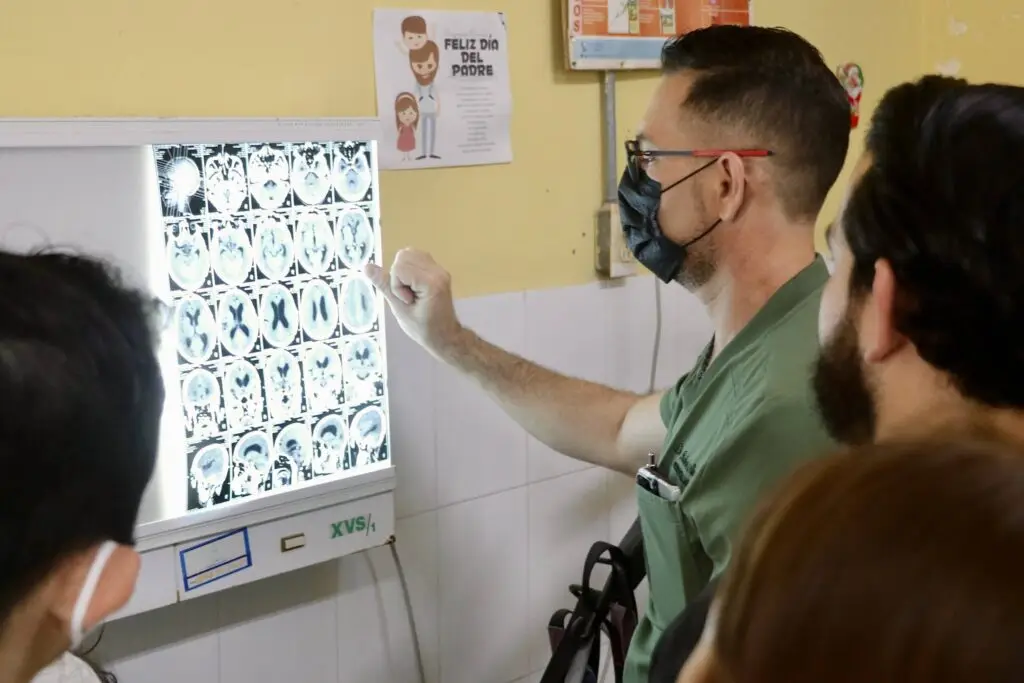
Neurosurgery Program: 15 Years of Positive Impact Thanks to CAMO

In a joint effort between the CAMO and the Honduran Ministry of Health, the Neurosurgery Program at the public western hospital has impacted the lives of many economically disadvantaged people by providing specialized services to patients for over 15 years.

This model program has provided care to 374 patients in the past year, covering both evaluations and spinal and brain surgeries.

Dr. Roberto Álvarez, our neurosurgeon, emphasized the vision behind this initiative, aiming to give access to high-quality neurosurgical technology and care to everyone in the western part of the country.

From the beginning, the CAMO has worked hard to equip the public hospital with state-of-the-art technology, enabling brain and spine surgeries with a high margin of safety. This has meant a radical change in local healthcare, previously limited by a lack of specialized services.

Despite the financial challenges of acquiring and maintaining the necessary equipment, the program has made a notable impact.

“We’ve had an impact from the start since neurosurgery services didn’t exist in this part of the country; every diagnosed patient, emergency or spontaneous, related to brain and spine conditions, was referred to bigger cities like Tegucigalpa and San Pedro Sula. Now, with all the equipment and instruments we’ve received from CAMO, we’ve been able to elevate the quality and safety standards of neurosurgical practice,” detailed Álvarez.

Currently, between 20 and 25 surgeries are performed monthly, and the outpatient service sees an average of 10 to 12 patients per day, demonstrating the program’s effectiveness and ongoing need.

The cost of equipment and technology is one of the program’s biggest challenges, with equipment valued in millions of lempiras. However, thanks to CAMO’s efficient management, this vital medical service has been sustained.

Additionally, through international brigades and collaborations, cases that would otherwise have gone untreated in the country have been addressed, providing hope to those in desperate need, according to the doctor.

“It’s really expensive; if it weren’t for the mechanism under which CAMO operates, this wouldn’t be possible. Even if the government authorities do their best, they can’t meet the demand we have for equipment and technology,” reiterated the doctor.

Finally, Dr. Roberto Álvarez stated, “It’s vital for the program to remain alive, and the way CAMO manages fundraising to keep this program going is crucial because without the support and equipment they’ve provided, we couldn’t achieve much with our own hands.”
News

CAMO Progresses in Creating the Respiratory Therapy Career in Honduras

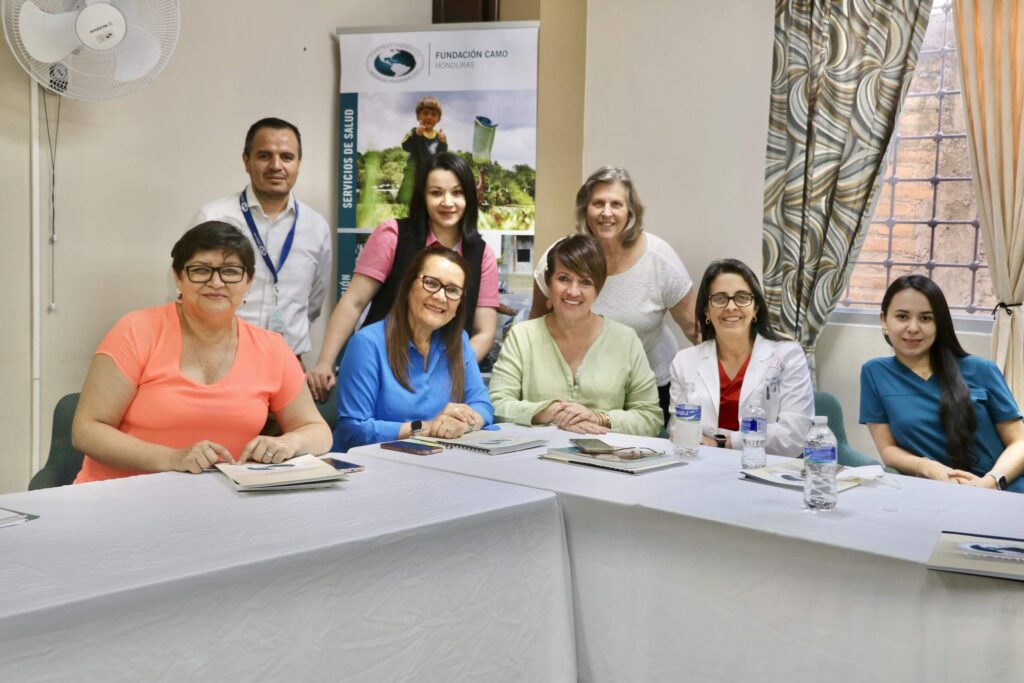
CAMO Honduras welcomed government officials, including Health Minister Carla Paredes, Women’s Secretary Doris García Paredes, and Health Advisor Ana Castro.

The purpose of their visit, which began at our headquarters in Santa Rosa de Copán, was to firsthand understand the management and unwavering support CAMO provides to public health establishments as part of its mission to improve people’s quality of life and promote sustainable community development.

During the visit, our founder, Kathy Tschiegg, led the officials on a tour of significant medical facilities, including Hospital de Occidente, the Public Health Center, and Women’s Shelter.

The director of the hospital, Dr. Marith López, and assistant director Dr. Cindy Cuéllar accompanied the tour.

Our executive director, José Bautista, expressed that the government officials’ visit allowed the institution to progress in creating a technical career in Respiratory Therapy, as well as to showcase the projects the institution executes in the western part of the country.

Bautista stated that the meeting with Ministers Paredes and García, as well as President Castro’s sister and Health Advisor, aimed to strengthen the relationships between the two ministries, CAMO, and the institutions we support.

“We have seen Minister Doris García’s political willingness to support these initiatives. The minister was pleased to learn about the experience of the women’s shelter, supported by CAMO, and sees it as an example to replicate in Honduras.”

Regarding Health Secretary Carla Paredes’ visit, “We wanted her to learn about our project to establish a technical career in Respiratory Therapy, which has been a pressing need in the country, as we lack such a career despite indicators of respiratory disease incidence.”

In this regard, Bautista mentioned, “We are coordinating with two Honduran universities and one from the United States, and they were requesting official linkage with the Health Secretary. We presented the initiative to the minister, and she viewed it favorably.”

“We also discussed other topics such as nursing protocols, which we’ve been working on since 2013 and are necessary to strengthen the services provided by nurses,” he added.

To finalize the projects that bring CAMO closer to the aforementioned state secretaries, the organization will make formal requests to implement this project of offering a technical career in respiratory therapy to the public.

News

CAMO Transforms Education and Health in Western Honduras

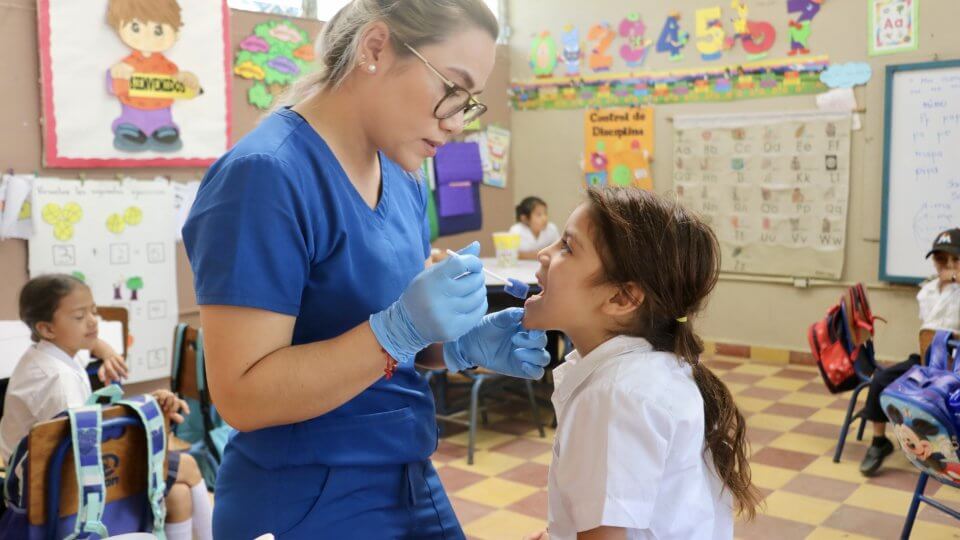
In Western Honduras, CAMO is spearheading a project that seamlessly blends education and health in 16 rural schools. 

CAMO leads this initiative by implementing evaluation brigades that address children’s needs in critical areas like hearing, dentistry, nutrition, and ophthalmology.

José Bautista, CAMO’s executive director, explained the essence of these brigades in the Literacy Program, “We aim to identify school-aged children with health issues that might affect their educational journey.”

This preventive approach not only aims to improve children’s health but also to maximize their educational potential. With over 1,500 children in 16 rural schools benefiting from the Literacy Program, CAMO is making a difference.

Bautista emphasized, “We are looking to incorporate more schools, but our goal isn’t just to expand the project’s scope but to set an example that health and education can work hand in hand.”

Jorge López, the Director in one of the schools, highlighted how new students receive comprehensive evaluations thanks to CAMO and how these free services benefit not only the students but also their families.

“This project helps children whose families, due to economic circumstances, can’t address these issues,” López stressed.

The collaboration between CAMO, municipalities and local businesses, has extended the reach of these services, ensuring humanitarian development in communities that face economic challenges.

CAMO’s commitment goes beyond providing health and education services; we are staying true to our mission of enhancing people’s quality of life through strengthening the healthcare system and promoting sustainable development.

Noticias

Fundación CAMO visita Choloma y muestra su legado de éxito y compromiso en Honduras

La Fundación CAMO, reconocida por su incansable labor en el occidente de Honduras, dio a conocer su experiencia y trabajo en el occidente hondureño, lo que podría ser replicado y expandido en la zona norte del país.

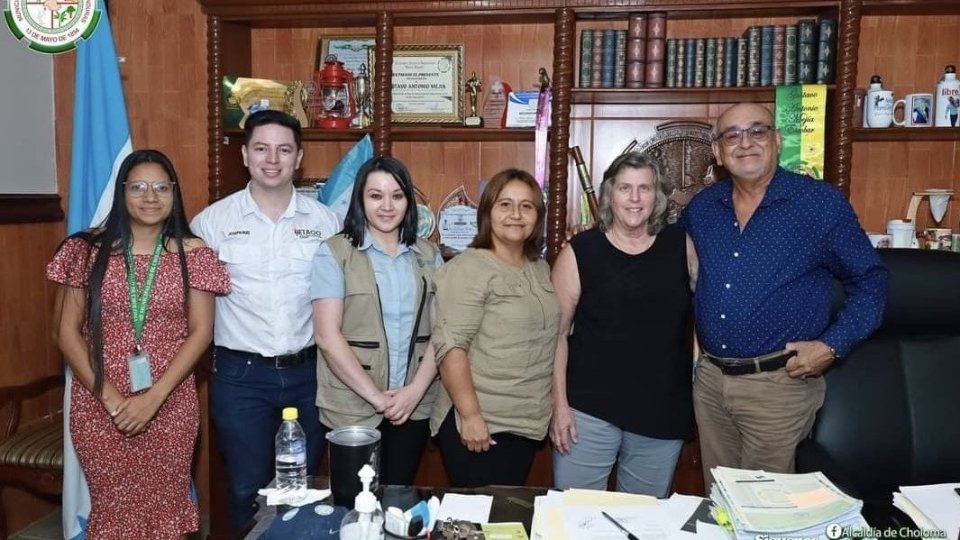
En una reunión, la fundadora y directora, Kathy Tschiegg, se reunió con el alcalde de Choloma, Gustavo Mejía, y personal de la comuna, con el propósito de ampliar los servicios de la fundación en este municipio de Cortés.

El encuentro contó con la participación del director de la Escuela Técnica de Artes y Oficios de Occidente, Joseph Ruiz, la subdirectora de Fundación CAMO Honduras Aryeny Girón, entre otras personas.

Durante el encuentro, Kathy presentó los programas exitosos de la Fundación CAMO, destacando su impacto en el mejoramiento de la calidad de vida de las personas, el fortalecimiento del sistema de salud y la promoción del desarrollo sustentable de la comunidad.

Además, compartió ejemplos concretos de los logros obtenidos en Santa Rosa de Copán, donde la fundación ha contribuido significativamente al sistema de salud público como el apoyo brindado para la reconstrucción del Policlínico Vicente Fernández Mejía, que es hoy en día el segundo más grande en Honduras, así como el apoyo a la educación técnica a través de la Escuela Técnica de Artes y Oficios de Occidente (ETAOO).

CAMO Honduras es un ejemplo de apoyo a la educación, salud, infraestructura del sistema de sanitario; destaca también su contribución a la construcción y funcionamiento de Fundación Casa Hogar, que es un refugio para mujeres sobrevivientes de violencia.

El compromiso de la Fundación CAMO con la transparencia, la ética y la eficacia en la gestión de recursos fue resaltado por Kathy durante la reunión.

“Estamos apoyando y ver qué podemos hacer. Si todo Honduras tiene necesidad de tener una institución como CAMO es porque nosotros hacemos las cosas diferentes, con una planificación que tiene 30 años de éxito. Fundación CAMO es un modelo y ejemplo de cómo podemos avanzar” afirmó Kathy.

Por su parte, el alcalde Gustavo Mejía expresó su gratitud por la colaboración de la fundación y manifestó su interés en visitar los proyectos en Santa Rosa de Copán para replicarlos en Choloma.

Con más de 30 años de experiencia y éxito, Fundación CAMO se consolida como un modelo a seguir en el ámbito de la salud, la educación y el desarrollo comunitario en Honduras.

Scroll to Top